A mixed fleet deserves a single, unified view.
Public agencies run vehicles to deliver services such as public works, code enforcement and administrative functions across a city or region.
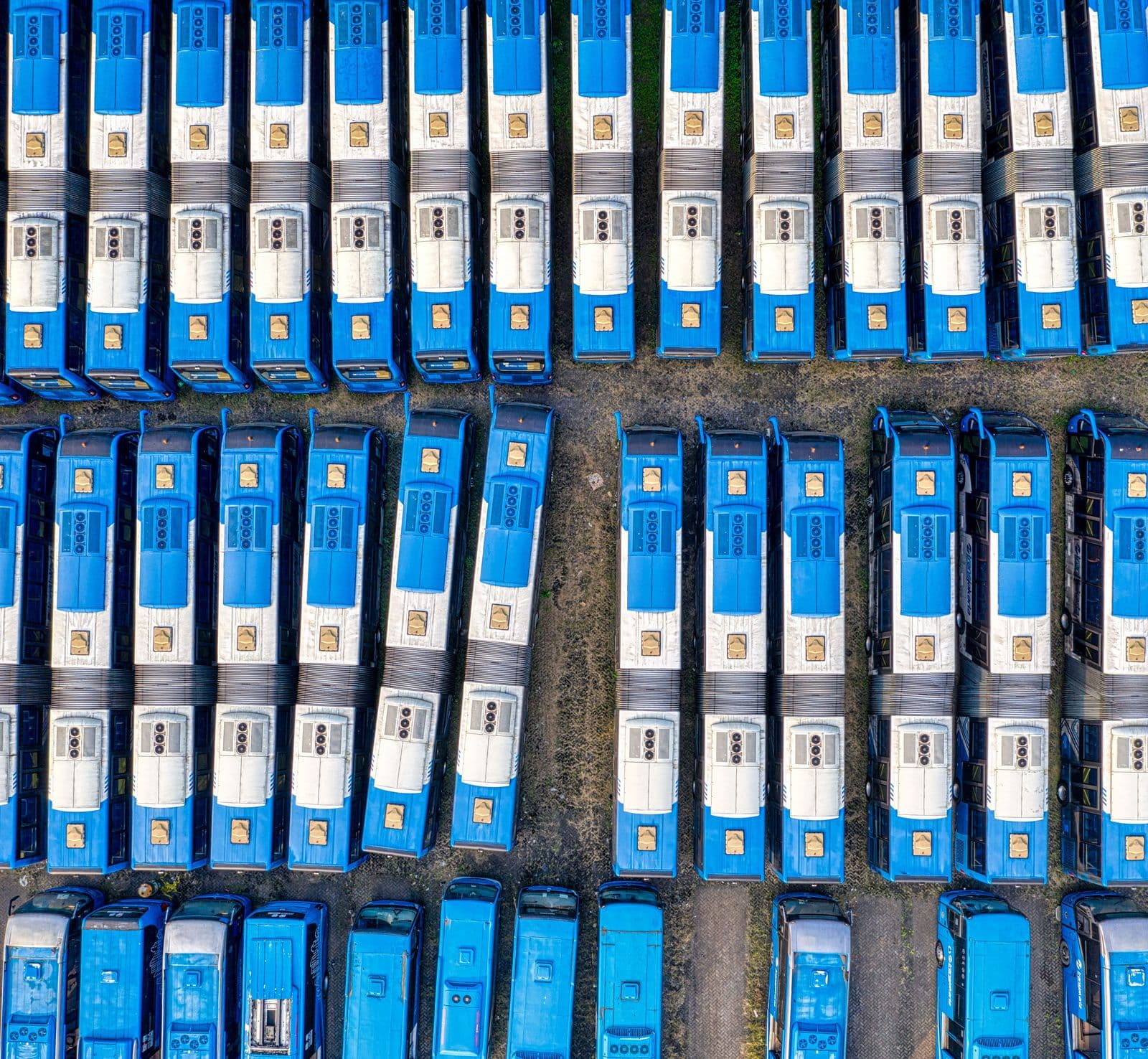
Answerable in public, on a budget set in public.
Operators must coordinate diverse vehicle types and shifting service demands while meeting public accountability standards and budget constraints.
A mixed fleet deserves a single, unified view.
From passenger cars to heavy equipment, every vehicle type is visible in one place, no matter how varied the fleet. Fleet managers see the whole operation at once instead of juggling separate systems for separate vehicle classes.
One organisation, six kinds of vehicle.
A squad car, a street sweeper and a backhoe have almost nothing in common operationally — and exactly one thing in common financially. They are all on the same balance sheet, answerable to the same council.
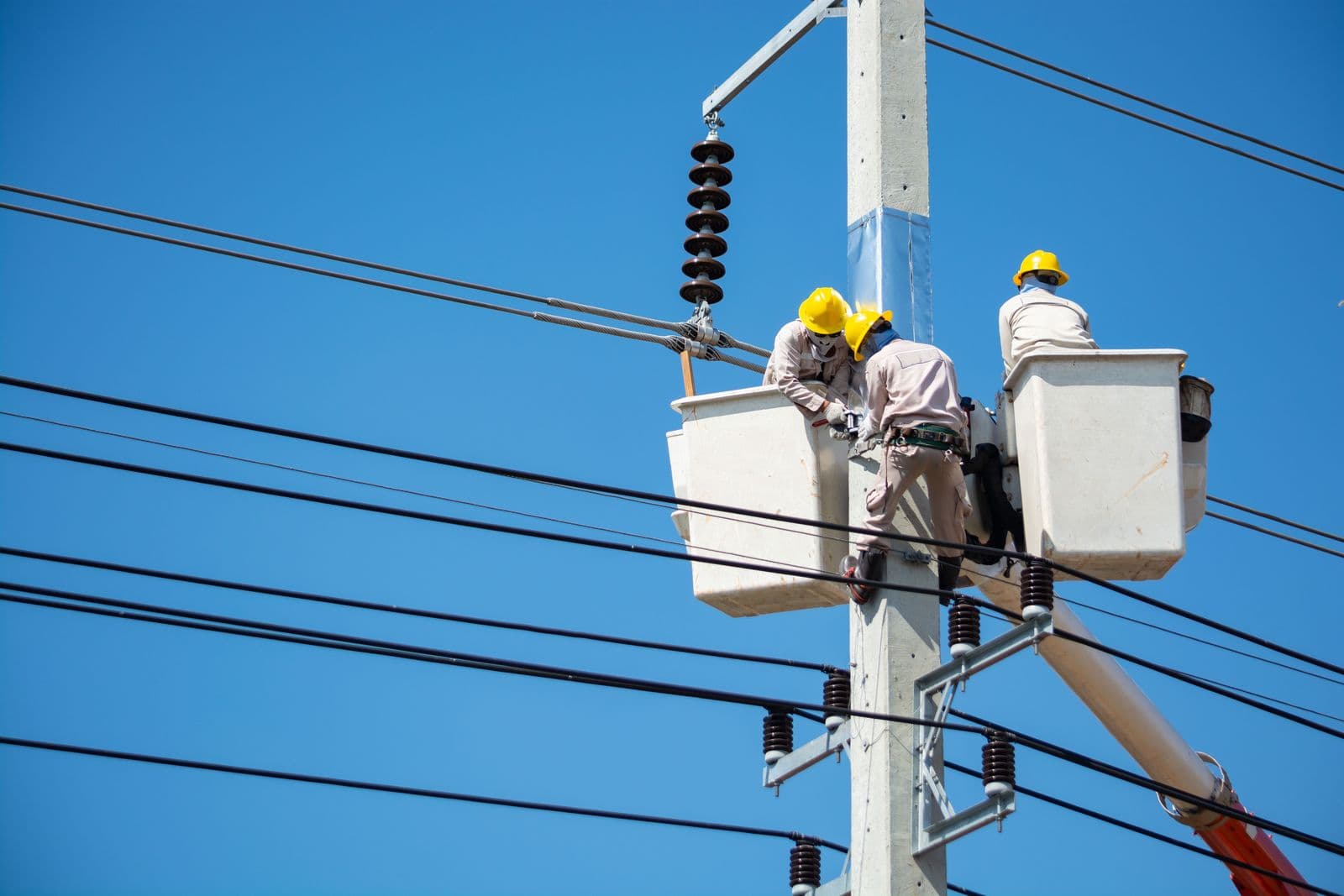
03 / 05Capital planning
Replacement decisions backed by the numbers, not guesswork.
OBD-II connectivity feeds real-time vehicle data to maintenance teams, giving them the numbers behind every repair and replacement decision. Capital requests are grounded in a vehicle's actual condition, not estimates.
- Real-time vehicle data
- OBD-II connectivity feeds real-time vehicle data to maintenance teams, giving them the numbers behind every repair and replacement decision.
- Capital requests grounded in condition
- Requests are built on a vehicle's actual condition rather than estimates, which is a materially easier case to take to a council.
- Repair or replace, answered with evidence
- Accumulated cost and condition against each unit turn a recurring argument into a comparison somebody can check.
Accountable to the public, and ready to prove it.
Fleet usage, maintenance and incident records are documented automatically, ready for council review or an open-records request at any time. Public accountability becomes something the fleet can demonstrate, not scramble to assemble.
- Fleet usage
- Which vehicles were used, by which department, and for how long — documented automatically rather than reconstructed at budget time.
- Maintenance history
- Work carried out on each unit, held against the unit, so a vehicle's record travels with it rather than living in a workshop folder.
- Incident records
- Events documented as they happen, with the footage and telematics for that moment attached to them.
- Ready for council review
- The record is already assembled when it is asked for, which is the difference between a report and a scramble.
- Open-records requests
- Public accountability becomes something the fleet can demonstrate on request rather than something it prepares for.
- Cost per mile
- Operating cost expressed per vehicle and per class, so comparisons across a mixed fleet are made on the same basis.
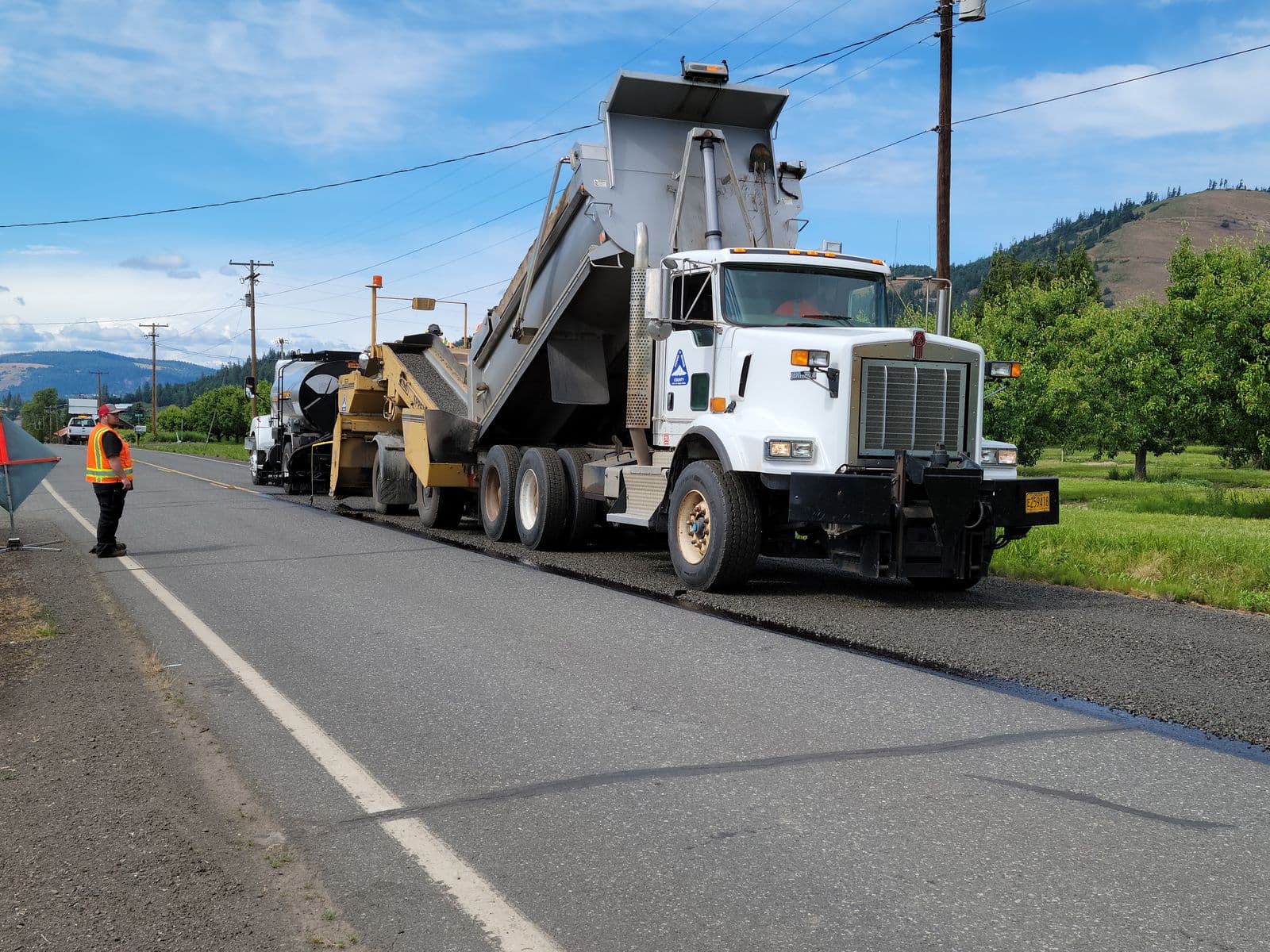
The people who pay for this fleet are allowed to ask about it.
That is not an administrative burden so much as the terms of the job. A fleet that records what it did as it does it can answer the question in an afternoon; one that does not spends a month preparing to.
What fleet managers ask first.
The Help Center goes further on each of these, with the screens they happen on.
That is the intent. Every vehicle type is visible in one place no matter how varied the fleet, so managers see the whole operation at once instead of juggling separate systems for separate vehicle classes.
Read the full articleOBD-II connectivity reports from the vehicle itself, so maintenance teams work from live data rather than from the last time somebody looked.
Read the full articleUsage, maintenance and incident records are documented automatically as the fleet operates, so responding is retrieval rather than reconstruction.
Read the full articleUsage is attributed as it is recorded, so a public works figure and a code enforcement figure come from the same underlying record without being separated by hand afterwards.
Read the full articleOther markets Naveera runs
Passenger & medical
Freight & field operations
One fleet. One record.
See every vehicle class your agency runs in a single register, with the usage and condition data behind each one.