Consistently on time isn’t a goal. It’s the baseline.
Public transit provides fixed-route bus, rail and other services that move people through cities and across regions — on a published schedule that riders plan their day around.
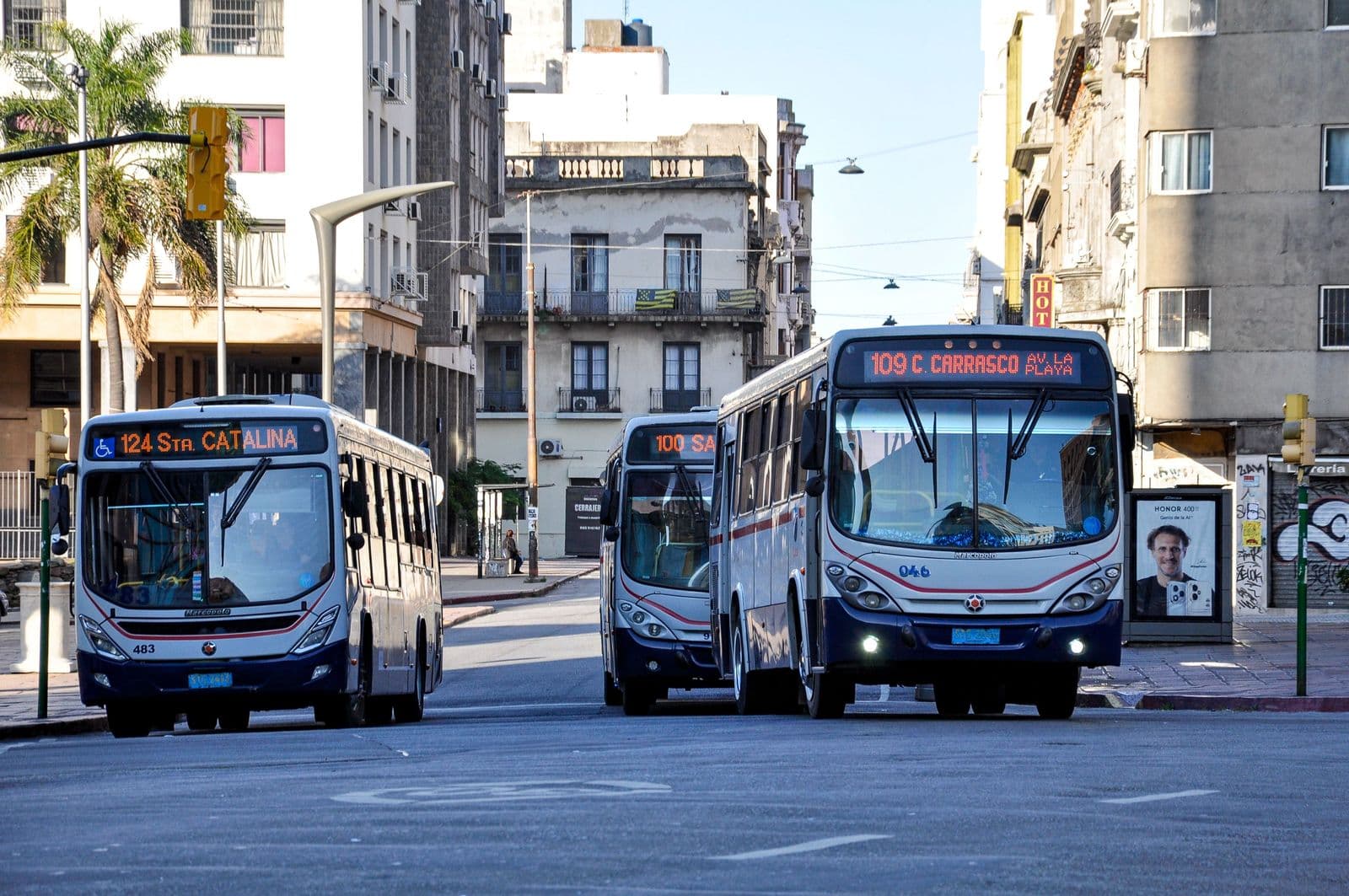
A sprawling network, judged on whether it turns up.
Agencies must maintain consistent, on-time service across sprawling networks while justifying cost efficiency and maintaining public trust.
Consistently on time isn't a goal. It's the baseline.
Riders plan their day around a published schedule, and even small deviations affect the trust that keeps them coming back. Naveera keeps routes running according to their schedules — it should be the default outcome of how you plan and manage your service, not something you chase.
Confident scheduling. Connected services. Public trust.
Fixed-route service doesn't operate in isolation. A delay in one location can ripple into missed transfers across rail, bus and other modes of travel. When one route runs right, the whole network does — and that reliability is what riders, city councils and funding partners actually judge an agency on.
The corridor runs on a headway. It goes whether it is full or empty, and its cost is fixed the moment the timetable is published.
The zones run on demand. Their job is usually to put riders onto the corridor — which is exactly why planning them separately produces two services that meet by coincidence rather than by design.
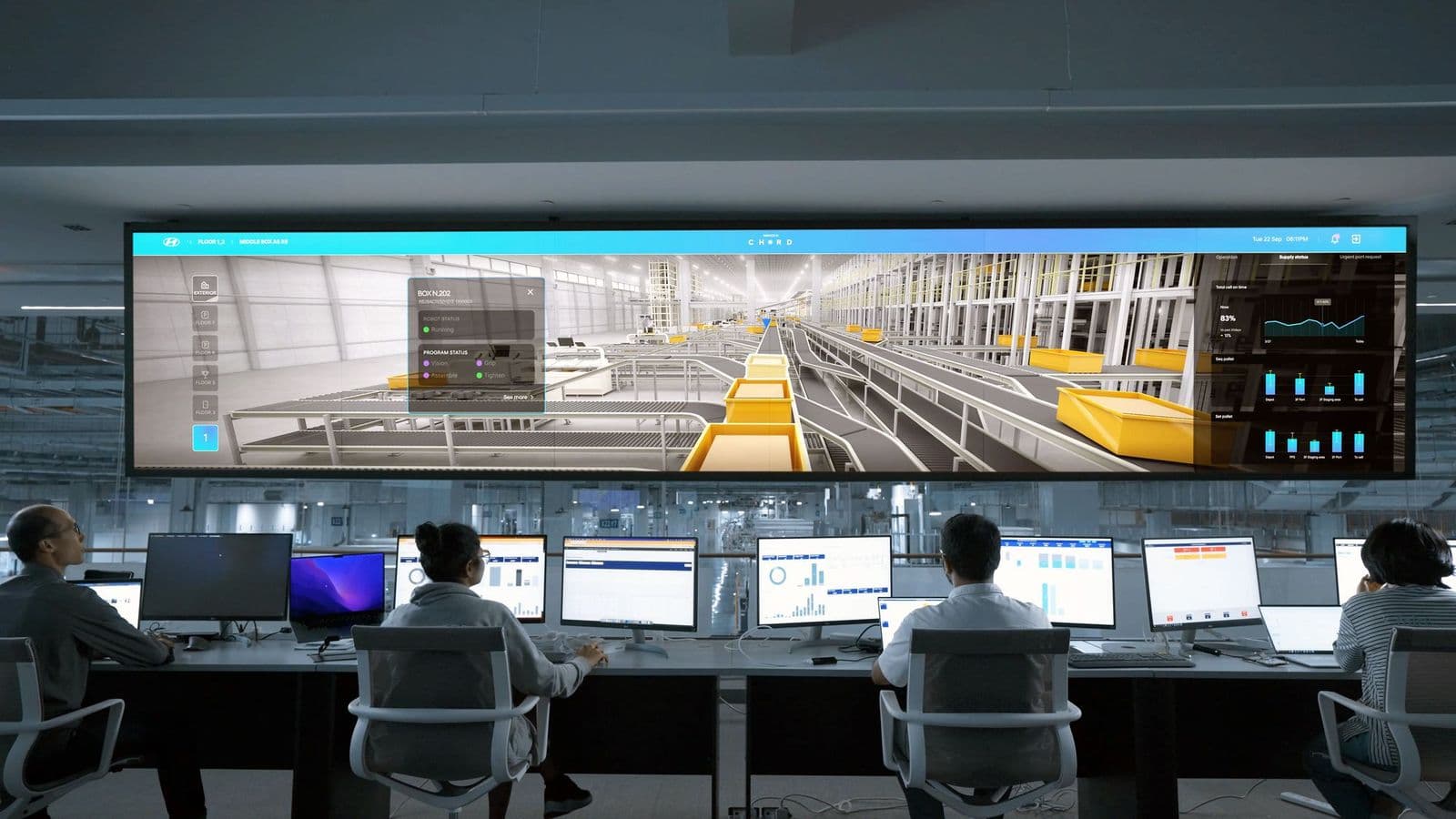
03 / 06Monitoring
When something happens, you already know.
In-vehicle cameras, GPS tracking and live OBD-II vehicle diagnostics work together to monitor both human actions and vehicle health in real time, so issues come to your attention the moment they happen.
- Human actions and vehicle health, together
- In-vehicle cameras, GPS tracking and live OBD-II vehicle diagnostics work together to monitor both the driver and the machine, in real time.
- Issues surface as they happen
- Events come to your attention the moment they occur rather than at the end of the shift, which is the difference between responding and being informed.
- Details already in hand
- Agencies can respond immediately with the relevant information already gathered, instead of piecing the account together after the fact.
Qualified drivers, verified and ready, at any scale.
Every driver’s certifications, licenses and qualifications live in one place instead of scattered across different systems, which makes it far easier to ensure nothing lapses as the workforce grows. Integrations with independent credentialing services add a layer of third-party verification, giving agencies confidence that every driver on the road is qualified to be there.
What an agency operation runs on.
- Driver certifications & licences
- Every qualification in one place, with what is approaching expiry visible before it lapses.
- Third-party credentialing
- Integrations with independent credentialing services add a layer of external verification to your own records.
- Camera, GPS & OBD-II monitoring
- Road and vehicle telemetry alongside live position, held against the run it belongs to.
- Fleet-wide live picture
- Every vehicle in service on one map, at the scale an agency operates at rather than one screen per garage.
- Run & block management
- Work assembled into blocks and runs, with the vehicle and operator assignments a published timetable depends on.
- Service reporting
- Trips carried, service delivered and performance against schedule, computed from operational records rather than re-entered.

The service that matters most is the one running when nothing else is.
The last bus of the night carries the people with the fewest alternatives. Visibility at 23:40 is not a smaller version of visibility at rush hour — it is the shift where a single vehicle going missing is the entire service.
What operations teams ask first.
The Help Center covers each of these in more detail.
That is the point of putting them together. The two services share vehicles, operators and riders, and planning them in separate tools is what produces a connection that leaves four minutes before its feeder arrives.
Read the full articleThe whole of it, with filtering down to a route, a garage or a single run when the question gets narrower. The live map is built for the scale of an agency fleet rather than a handful of vehicles.
Read the full articleDrift is visible as it builds. Dispatch sees which run is slipping and by how much while there is still something useful to do about it, rather than hearing it from a rider who missed a transfer.
Read the full articleYes. A run can be moved to another vehicle or operator during the day, and the change reaches the operator rather than travelling by radio call that nobody logged.
Read the full articleOther markets Naveera runs
Passenger & medical
Freight & field operations
One fleet. One day. One view.
See what your own network looks like with fixed route and demand-response on the same board.