On-time delivery as a competitive edge.
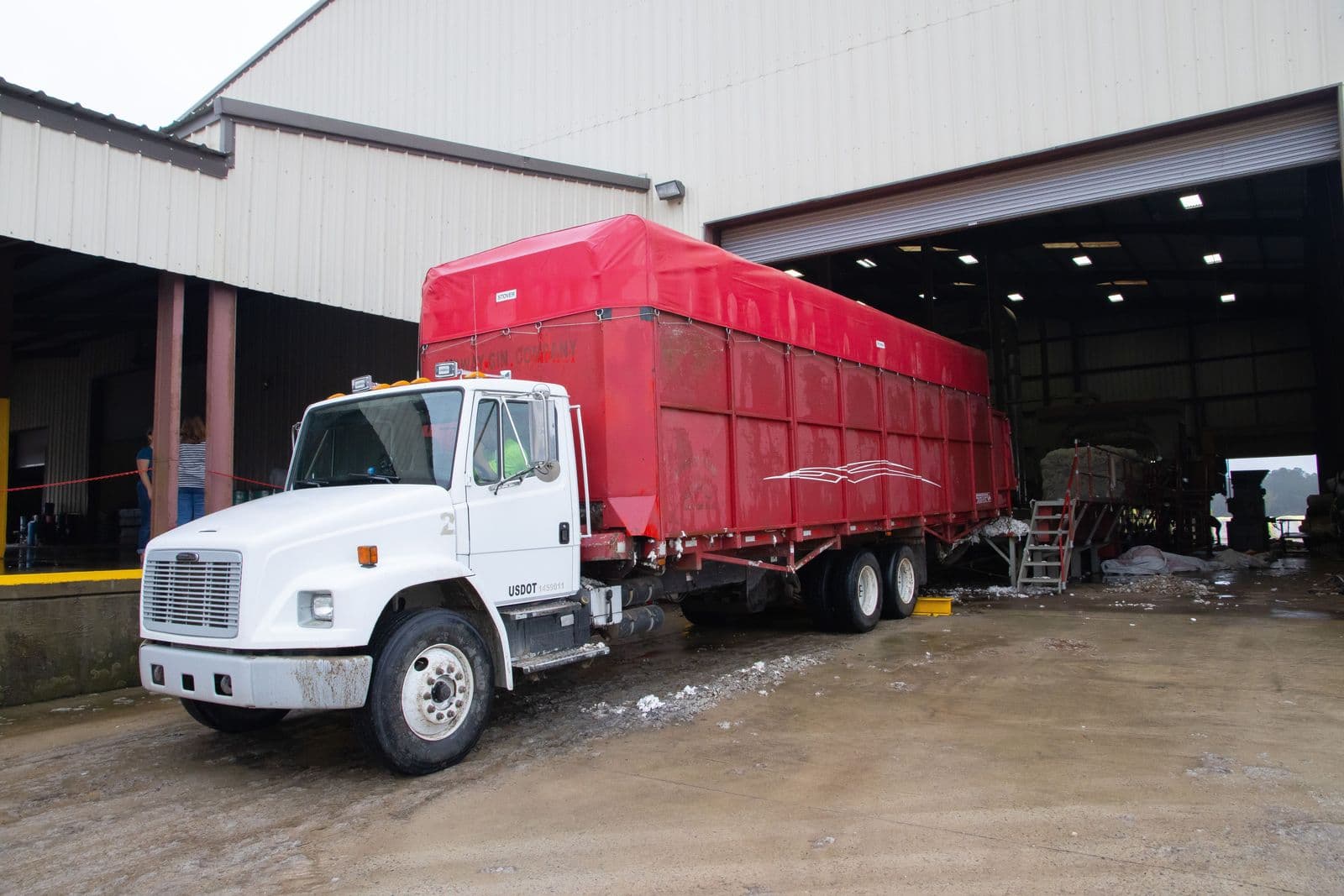
Trucking and freight moves goods across regional and national networks, coordinating drivers, vehicles and delivery schedules to keep supply chains running on time.

Long distances, and a day with a legal edge to it.
Operators must plan efficient routes across long distances while managing fuel costs, driver hours-of-service regulations, and delivery windows that shift with customer demand and road conditions.
Scheduling that makes consistent on-time delivery your competitive edge.
Reliable route planning means deliveries meet appointment windows. Carriers avoid detention penalties and build stronger shipper relationships — and consistent on-time performance becomes a big reason shippers choose you again.
02 / 06Compliance
Compliance requirements factored into every route before it's driven.
HOS and ELD requirements are factored into the scheduling process, so every route accounts for them automatically. Compliance happens as part of planning, not as separate administrative work.
- Limits applied while the route is still editable
- Hours-of-service and ELD requirements are factored into the scheduling process, so every route accounts for them before a driver is dispatched against it.
- Planning and compliance as one step
- Compliance happens as part of planning rather than as separate administrative work, which is the difference between a constraint and a correction.
- The reroute inherits the rules
- A load that moves, a dock that runs long or a closure that adds two hours is re-planned against the same limits, not against the ones the morning started with.
The day has an edge, and the route has to end before it.
Fuel, tolls and traffic all bend. The duty window does not — it starts when the driver comes on duty and runs whether the truck is moving or waiting at a dock.
Driving
The only hours that move freight, and the first ones to run out. A route planned without them is a route that ends somewhere other than the dock.
On duty, not driving
Inspections, loading, waiting at a dock. It spends the window without covering any distance, which is exactly why detention time is a scheduling problem and not just a billing one.
Break
Required, and therefore plannable. Placed with the route it belongs to, it costs half an hour; discovered at hour eight, it costs the delivery window.
Illustrative — a property-carrying day under US federal limits; your operation’s rules govern
Proof your cargo arrived exactly as it left.
Driver monitoring and AI incident detection track events like heavy braking, excessive cornering or accidents throughout every trip. Carriers can point to an event-free trip where no rough handling was detected as proof the cargo made it from pickup to delivery in good condition.
- Event detection
- Driver monitoring and AI incident detection track events like heavy braking, excessive cornering or a collision throughout every trip.
- An event-free run
- Carriers can point to a trip where no rough handling was detected as evidence the cargo made it from pickup to delivery in the condition it left in.
- Footage held to the trip
- Interior and exterior video sits against the trip it belongs to, so answering a claim is retrieval rather than investigation.
- Driver coaching
- The same analysis that defends a clean run identifies the handling worth correcting on the ones that were not.
- Detention and dwell
- Time spent waiting at a facility is recorded as it happens, which is what turns a detention conversation into an invoice line.
- Delivery confirmation
- Arrival, signature and condition captured at the dock, closing the trip with the same record the claim would later ask for.
Multi-day routes, tracked every mile.
Distance from your drivers and their shipments doesn’t mean losing oversight. Messaging between driver and dispatch keeps communication open across long hauls, and drivers can self-report incidents directly, so dispatch stays informed the entire route.

Most of the distance is covered while the office is closed.
A haul does not pause for the working day. The record it leaves behind is what the morning shift reads to find out how far it got, and whether anything happened on the way.
What carriers ask first.
The Help Center goes further on each of these, with the screens they happen on.
Yes — that is the point of putting them in scheduling. Available duty and driving time is a constraint the route is built against, so a plan that cannot legally be completed does not get issued and then corrected at hour eleven.
Read the full articleIt is placed against what is genuinely left of the day rather than appended to it. If the remaining window cannot absorb the stop, it stays visible as unassigned with the reason, which is a capacity fact worth reading as one.
Read the full articleMessaging between driver and dispatch runs for the length of the route, and drivers can self-report an incident directly, so distance does not become an information gap.
Read the full articleThe trip carries its own detection record. An event-free run is evidence of careful handling, and where something did happen, the footage and telematics for that moment are attached to the trip rather than filed separately.
Read the full articleOther markets Naveera runs
Passenger & medical
Freight & field operations
Plan the day the law actually allows.
See your own lanes planned against real duty windows, appointment times and dock behaviour.