Our roots are in NEMT.
We're highly motivated to improve how NEMT providers manage transportation for patients — often elderly, disabled, or recovering from illness — to their medical appointments.
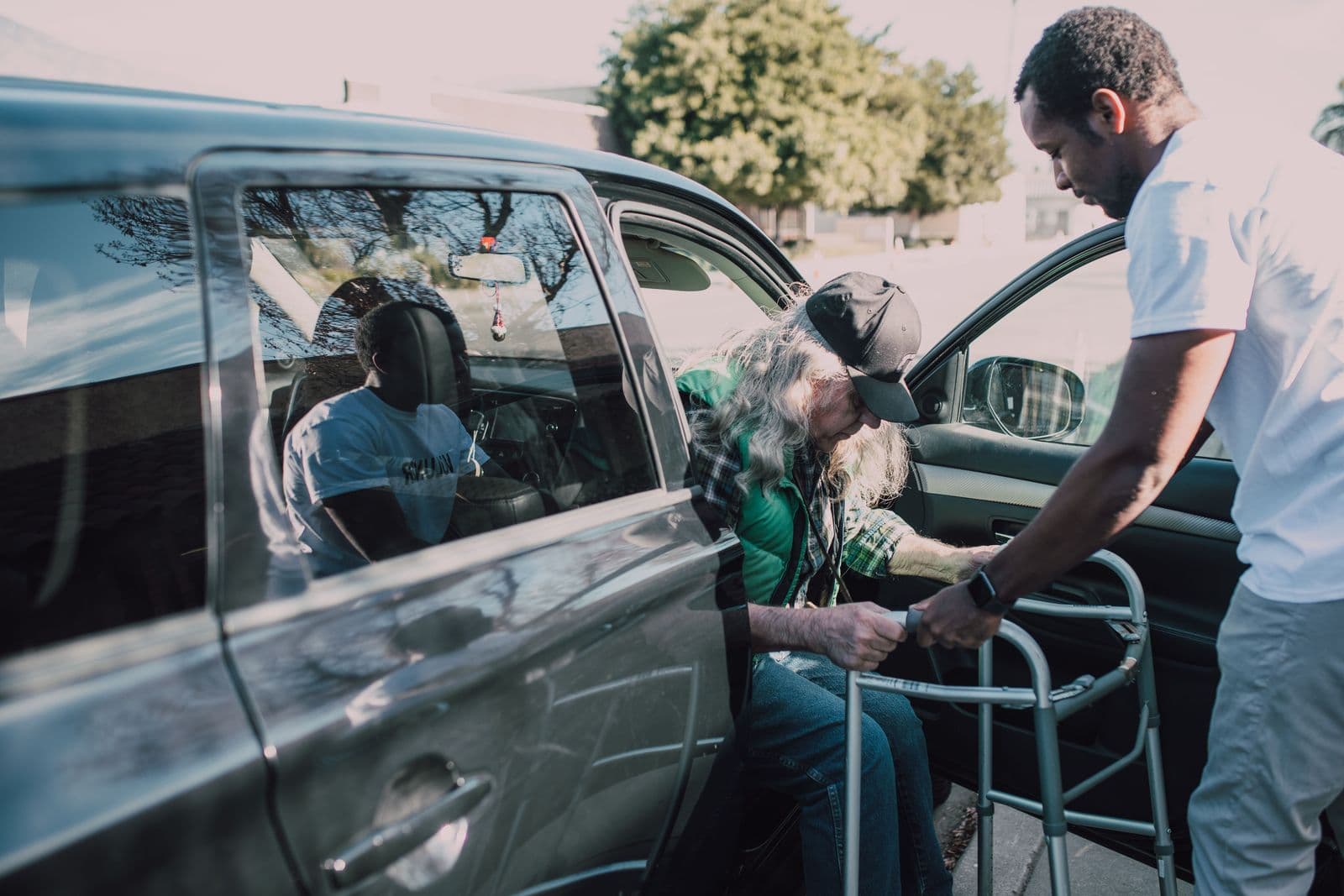
Hundreds of daily trips, and a payer behind every one.
Providers juggle hundreds of daily trips and varying patient needs, all while meeting strict documentation and compliance requirements from Medicaid programs, broker networks and private payers.

01 / 06Automation
Spend less time on manual processes and more on growing your business.
Smart automation should take over the repetitive work that can dominate an operator's day. In a less efficient business, scheduling and invoicing tasks require constant hands-on attention.
- The repetitive work stops being yours
- Scheduling and invoicing are the tasks that expand to fill an operator's day. Automation takes the repetitive part of both, so the hours go somewhere else.
- Time back where it compounds
- Winning new contracts, developing staff and expanding the fleet are the things that actually move a business forward, and they are the first things a busy week displaces.
- Growth without proportional headcount
- Taking on more trips should not mean hiring in proportion to them. Efficiency in the back office is what makes the next contract worth bidding for.
All the data your fleet runs on, unified.
Routing, compliance, billing and trip history live in one place instead of scattered across disconnected tools and spreadsheets. Operators see the full picture at a glance and decide on complete information, not whatever system they happened to check first.
- Routing & scheduling
- The plan for the day, built from the trips that were actually booked and the fleet actually available.
- Compliance & documentation
- The records Medicaid programs, broker networks and private payers ask for, attached to the trips they describe.
- Billing & claims
- Invoicing built from the operational record rather than re-entered from it as a second pass over the same day.
- Trip history
- What happened on every trip, kept where the people making decisions about the next one can see it.
- Monitoring & camera events
- Road-facing and in-cab video from Monarch 1, held against the trip and the driver it belongs to.
- Vehicles & drivers
- The fleet and the people running it, in the same place as the work being assigned to them.

03 / 06Monarch 1
See every trip. Catch every issue. Coach every driver.
The Monarch 1 in-vehicle camera system, together with real-time monitoring and communications, gives operators visibility into what is happening on the road as it happens.
- See every trip
- The Monarch 1 in-vehicle camera system, alongside real-time monitoring and communications, gives operators visibility into what is happening on the road as it happens.
- Catch every issue
- Routing and safety issues surface while the day is still running, which is the only point at which they are cheap to do something about.
- Coach every driver
- Drivers get timely feedback rather than a quarterly summary of things they no longer remember. Feedback close to the event is the kind that changes behaviour.
Ready for review every day, not just audit day.
Every trip is documented automatically as it happens, and records are already complete and accurate long before anyone asks to see them. Audit readiness should be your default state, so you can face information requests immediately and with confidence. Documentation does not need to be something you scramble to put together.
One field changes the whole trip.
Level of service decides which vehicle is suitable, whether a second person needs to be on board, how long the pickup really takes and what the trip bills as. It is worth seeing all four side by side.
The rider walks to the vehicle and boards unaided.
- Vehicle
- Any sedan or van in the fleet, with no lift or securement requirement.
- Attendant
- Driver only. No second person is planned onto the trip.
- Time at the curb
- Planned short — the pickup is a door, not a procedure.
- On the claim
- The base ambulatory code and loaded mileage, with no add-on modifiers.
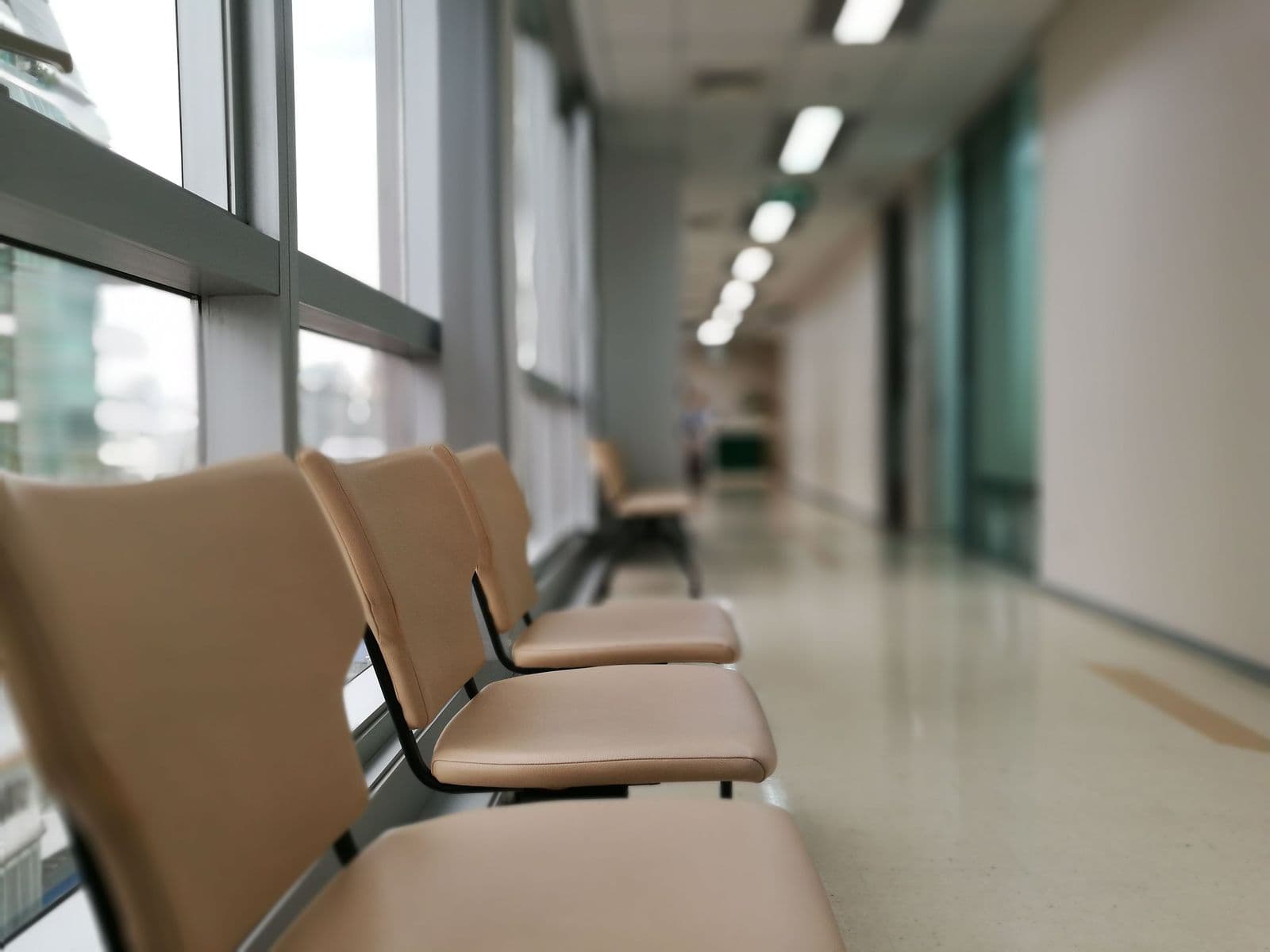
A ride that arrives late is an appointment that does not happen.
Dialysis is not rescheduled to suit a route. When transport fails, the treatment fails with it, and the cost lands on the patient long before it lands on the contract. That is the standard this software is built to hold.
What operators ask before they switch.
The Help Center covers each of these in full, with the screens they happen on.
Enough that it changes the shape of the day. Scheduling runs as a background job rather than a screen you sit and wait on, so a full day is typically ready in minutes and you keep working while it runs.
Read the full articleYes — automatic scheduling produces a proposal, not a locked result. Planners can reassign a trip to another vehicle, reorder a route, or pull a trip back to unassigned, and the change reaches the driver.
Read the full articleThey sit outside the plan until the rider calls, then get placed against the vehicles available at that moment — rather than holding a slot for an hour nobody could predict.
Read the full articleThe driver records the no-show with the arrival time and the wait. Capturing it at the curb rather than reconstructing it at the end of the week is what makes the trip defensible later, whether it is being billed or disputed.
Read the full articleNo. Claims are generated from the trips that were actually run, carrying the service details and proof of service already attached to them, so billing stops being a second pass of data entry over the same day.
Read the full articleOther markets Naveera runs
Passenger & medical
Freight & field operations
Run the trip. Prove the trip. Bill the trip.
See what your own scheduling, documentation and billing look like once they are one record.