Child safety is the clear priority.
School transportation provides daily routes that carry students safely between home and school — the one operation where every passenger on the list belongs to somebody.
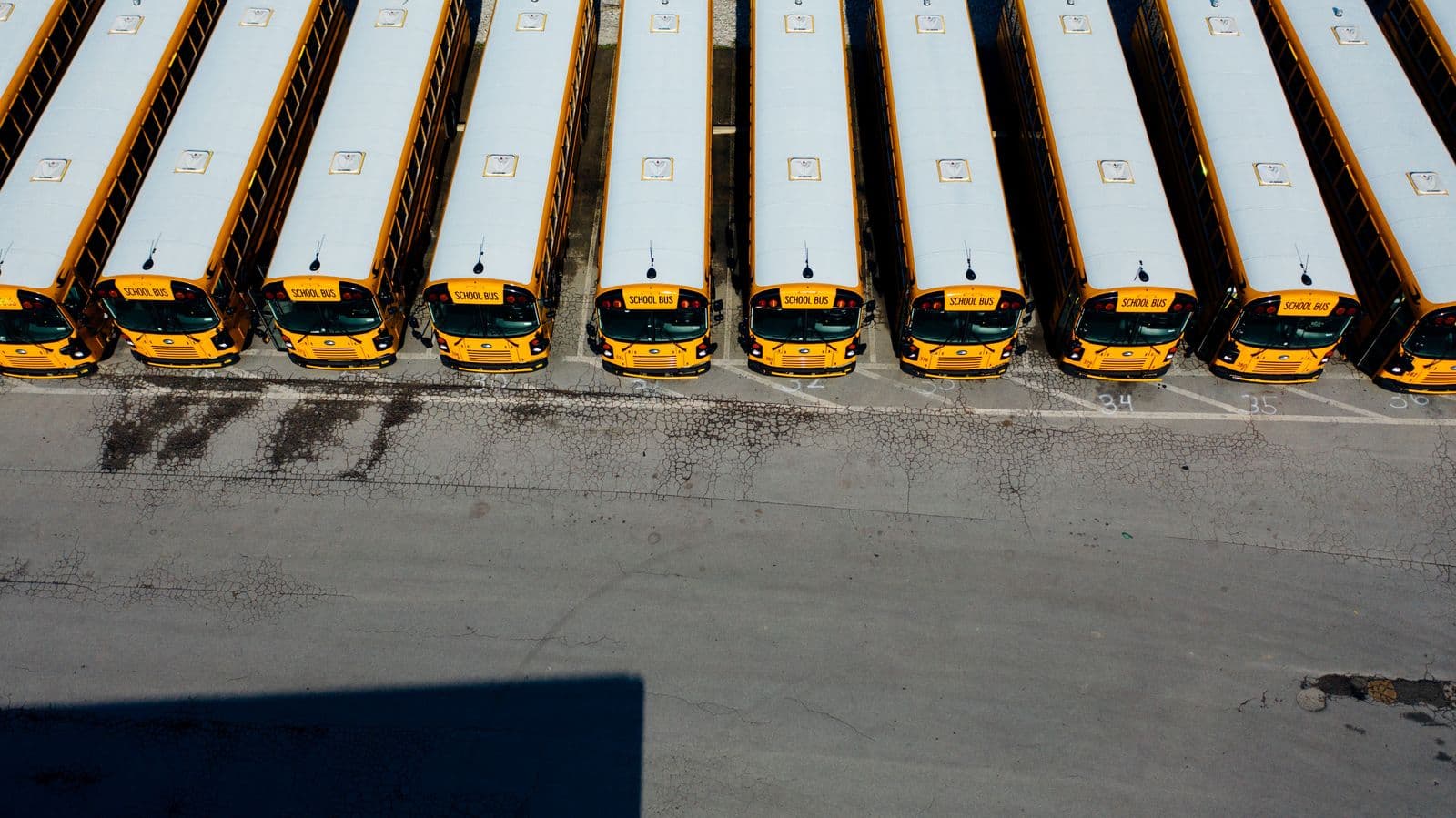
Tight windows, large populations, and standards that do not bend.
Providers must coordinate tight pickup and drop-off windows across large student populations while maintaining strict vehicle safety and driver certification standards.
01 / 06Safety
Child safety is the clear priority.
GPS tracking and in-vehicle cameras give districts and parents real visibility into every trip, even when these important stakeholders are never physically on the bus.
- Visibility for people who are not on the bus
- GPS tracking and in-vehicle cameras give districts and parents real visibility into every trip, even though neither is ever physically on board.
- Reassurance for parents
- The question a parent asks on the worst morning of the year has a specific, usually undramatic answer — and it does not require putting anyone on hold.
- Oversight for districts
- Parents gain the reassurance they need, and districts gain the oversight to back it up rather than taking it on trust.
Trust starts with who's driving. We help you verify it.
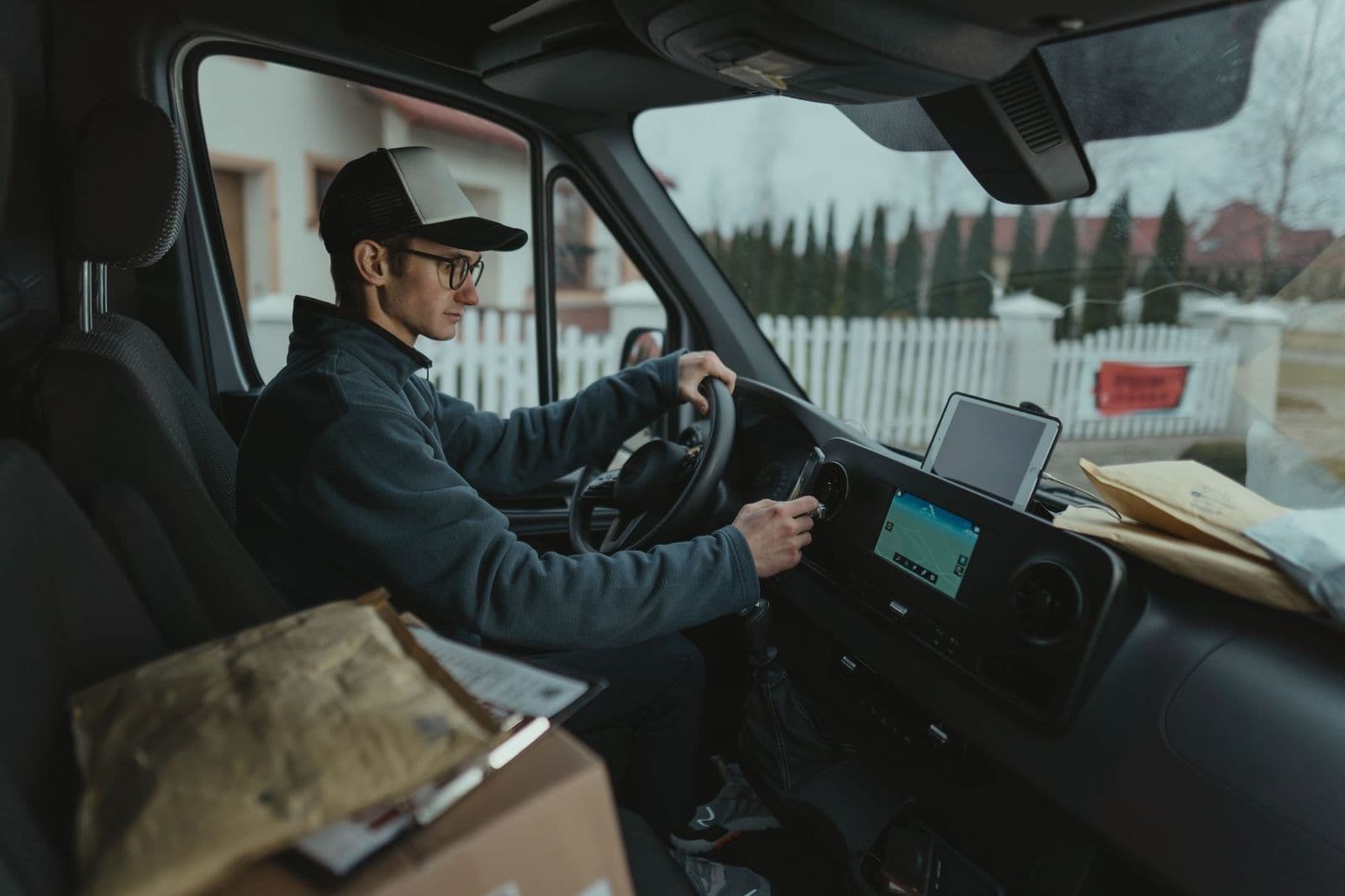
Every driver’s certifications and qualifications are stored in one place, giving districts a clear record of who’s behind the wheel. Third-party credentialing integrations add another layer of confidence for every driver on the road.
Maintenance that puts safety first, without losing sight of the budget.
Live OBD-II vehicle data enables targeted, consistent maintenance. Every vehicle remains mechanically sound for the children riding it, while districts get a clear record of responsible spending. Safety and fiscal accountability work together, not against each other.
Proof for every mile, from the first stop to the last.
Every trip is documented automatically from pickup to drop-off, giving school boards and the community a complete, verifiable record. Accountability is built into the process itself, not assembled after the fact.
- Trip documentation
- Every trip documented automatically from pickup to drop-off, giving boards and the community a complete, verifiable record.
- Camera & GPS records
- In-vehicle footage and position history held against the run and the vehicle they came from.
- Driver certifications
- Qualifications stored centrally, with third-party credentialing available as an additional layer of verification.
- Vehicle health & maintenance
- Live OBD-II data behind each maintenance decision, and a record of what was done and when.
- Route & stop planning
- Stops placed where students actually are, and routes built around the windows they have to meet.
- Special-needs transportation
- Lifts, harnesses, aides and door-to-door service planned as requirements of the run rather than handled at the curb.
One bus, three schools, before nine.
Staggered bells are how a district runs a fleet it can afford. The cost is a morning with almost no slack in it, which is why the tight pickup and drop-off windows above are the binding constraint on every route.
Bus 12 — one vehicle, one driver, one morning
High school
Runs 06:20–07:10
07:15 bell
Middle school
Runs 07:20–08:00
08:05 bell
Elementary
Runs 08:10–08:50
08:55 bell
Ten minutes separates a drop-off from the next pickup. That gap is the entire tolerance in the morning, and it is why a route that is “only” a few minutes long on paper is a decision about the whole day.
Change one bell time and every run behind it moves. Districts that plan tiers by hand rarely get to test that, because rebuilding the morning takes longer than living with it.
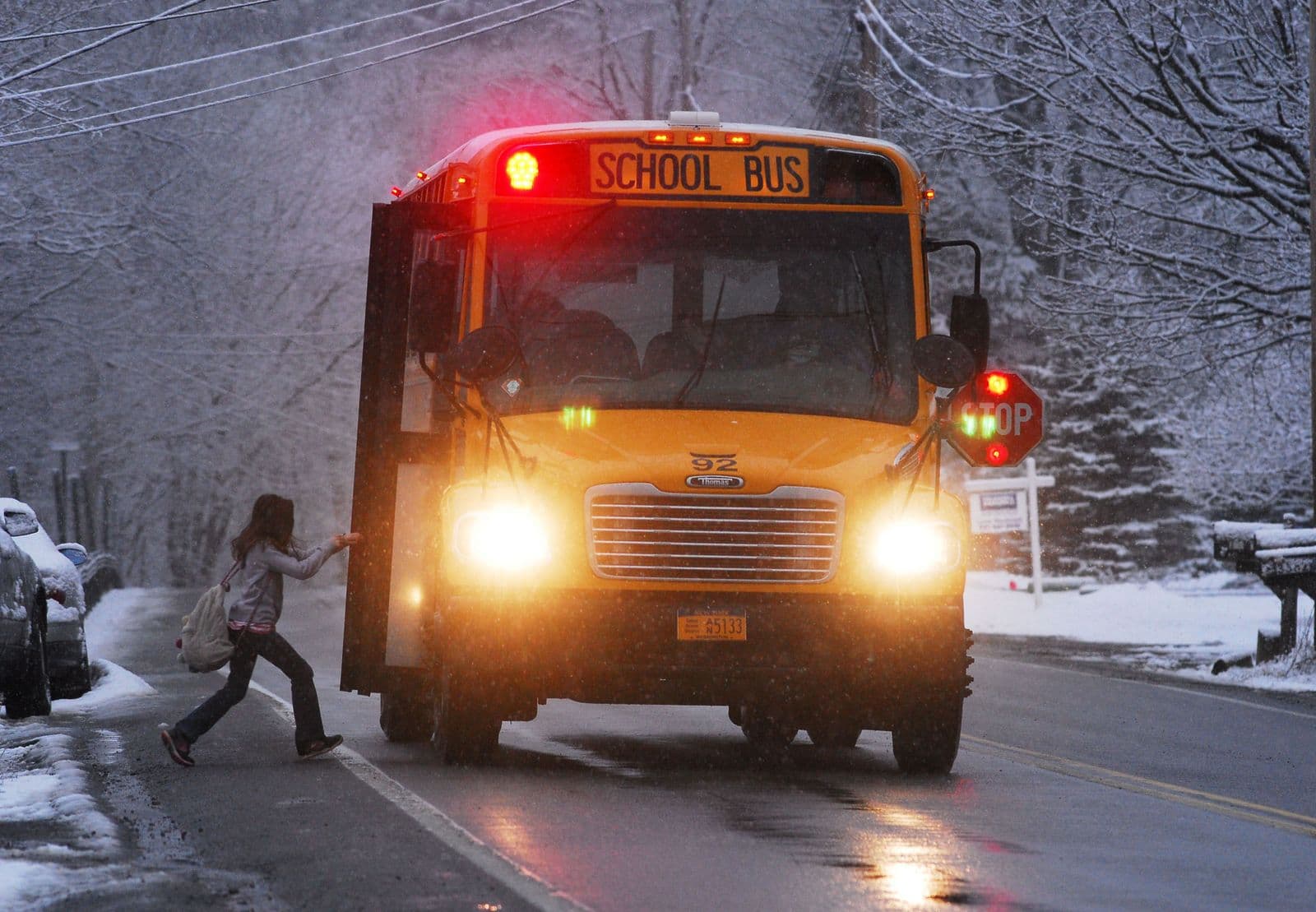
The stop is the part of the route nobody optimises.
Every efficiency argument in school transportation happens on the road, but the moments that matter happen at a standstill: lights on, arm out, a child crossing in front of a vehicle they cannot see around. Where a stop is placed is a safety decision before it is a routing one.
What transportation directors ask first.
The Help Center goes into each of these with the screens they happen on.
That is what the GPS tracking and in-vehicle cameras are for. Districts get oversight of every trip, and the answer to a worried phone call is on screen rather than at the other end of a radio call.
Read the full articleEvery driver's certifications and qualifications are stored in one place, giving districts a clear record of who is behind the wheel, and third-party credentialing integrations add another layer of confidence.
Read the full articleLive OBD-II vehicle data supports targeted, consistent maintenance, so vehicles stay mechanically sound for the children riding them while districts keep a clear record of responsible spending.
Read the full articleAs runs with real requirements. A student who needs a lift, a harness or an aide carries that on their record, so it is part of what the run is planned to provide.
Read the full articleThe uncovered run is visible as uncovered and can be reassigned to an available driver, rather than being discovered when a bus does not arrive.
Read the full articleOther markets Naveera runs
Passenger & medical
Freight & field operations
Every student accounted for. Every mile proven.
See what your own routes, drivers and vehicle records look like in one place.