Riders and drivers, both seen, both protected.
Rideshare and transportation network companies connect riders with independent drivers through mobile apps — flexible transportation without fixed routes or schedules.
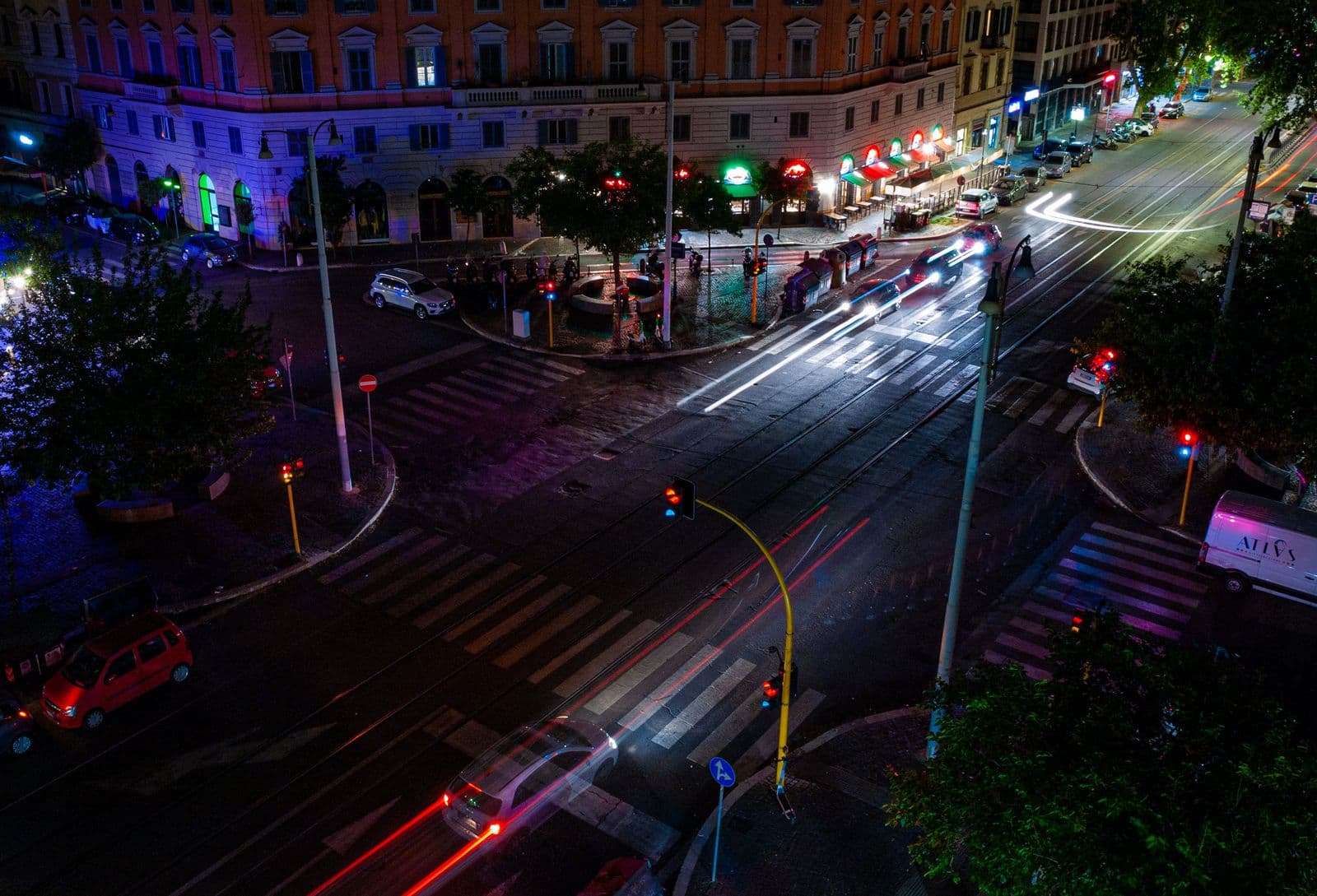
Supply, demand and regulation, all moving at once.
Companies must balance driver supply with fluctuating rider demand in real time, while navigating evolving regulatory requirements around driver classification, insurance and passenger safety across the many markets they serve.
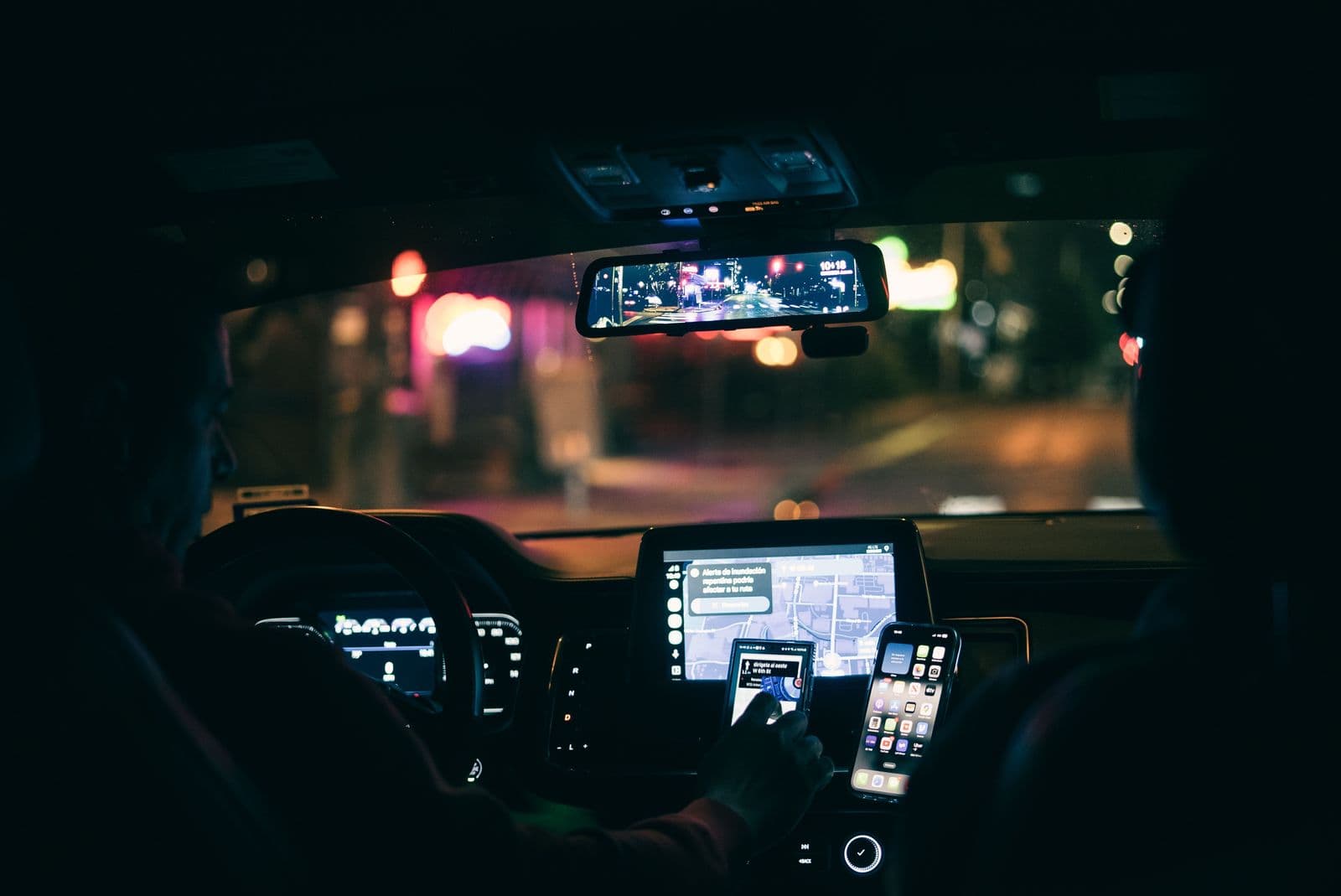
01 / 06Monarch 1
Riders and drivers, both seen, both protected.
The Monarch 1 camera system's internal and external cameras serve a single goal: keeping everyone safe. Riders and drivers both benefit from the same layer of protection, every trip.
- Internal and external, one purpose
- The Monarch 1 camera system's internal and external cameras serve a single goal: keeping everyone safe.
- The same protection, both ways
- Riders and drivers both benefit from the same layer of protection, every trip — not a system that protects one party from the other.
- On every trip, not on request
- Protection that has to be switched on is protection that is missing precisely when it is needed.
Every incident, documented. Every claim, defensible.
Monarch 1 captures video and OBD-II vehicle data like braking events, speed and accelerometer readings. Drivers can also add incident reports directly from the mobile app. Naveera's integrated technologies help you build a complete picture of the event the moment it happens.
- Video
- Monarch 1 captures footage from inside and outside the vehicle, held against the trip it belongs to.
- OBD-II vehicle data
- Braking events, speed and accelerometer readings recorded alongside the video rather than separately from it.
- Driver incident reports
- Drivers can add incident reports directly from the mobile app, at the point they still remember the detail.
- Trip records
- Every completed job recorded with the detail that payouts, disputes and regulatory reporting all draw on.
- Live fleet visibility
- Every vehicle, its status and its current job on one map, at the scale a market operates at.
- Shift & supply management
- Who is on, who is available and where the gaps are, so supply is something you manage rather than observe.
Closest is not a distance.
Balancing supply against demand comes down to one calculation made thousands of times a day, in a fraction of a second — and geography makes it harder than it looks.
Car B is closest on the map, and the only way over the river is a crossing well south of it. Matching on the dashed line sends it anyway, and the ETA starts climbing the moment the driver accepts.
Car C is further away in a straight line and arrives sooner. Matching on the road network is the difference between an estimate the rider watches improve and one they watch slip.
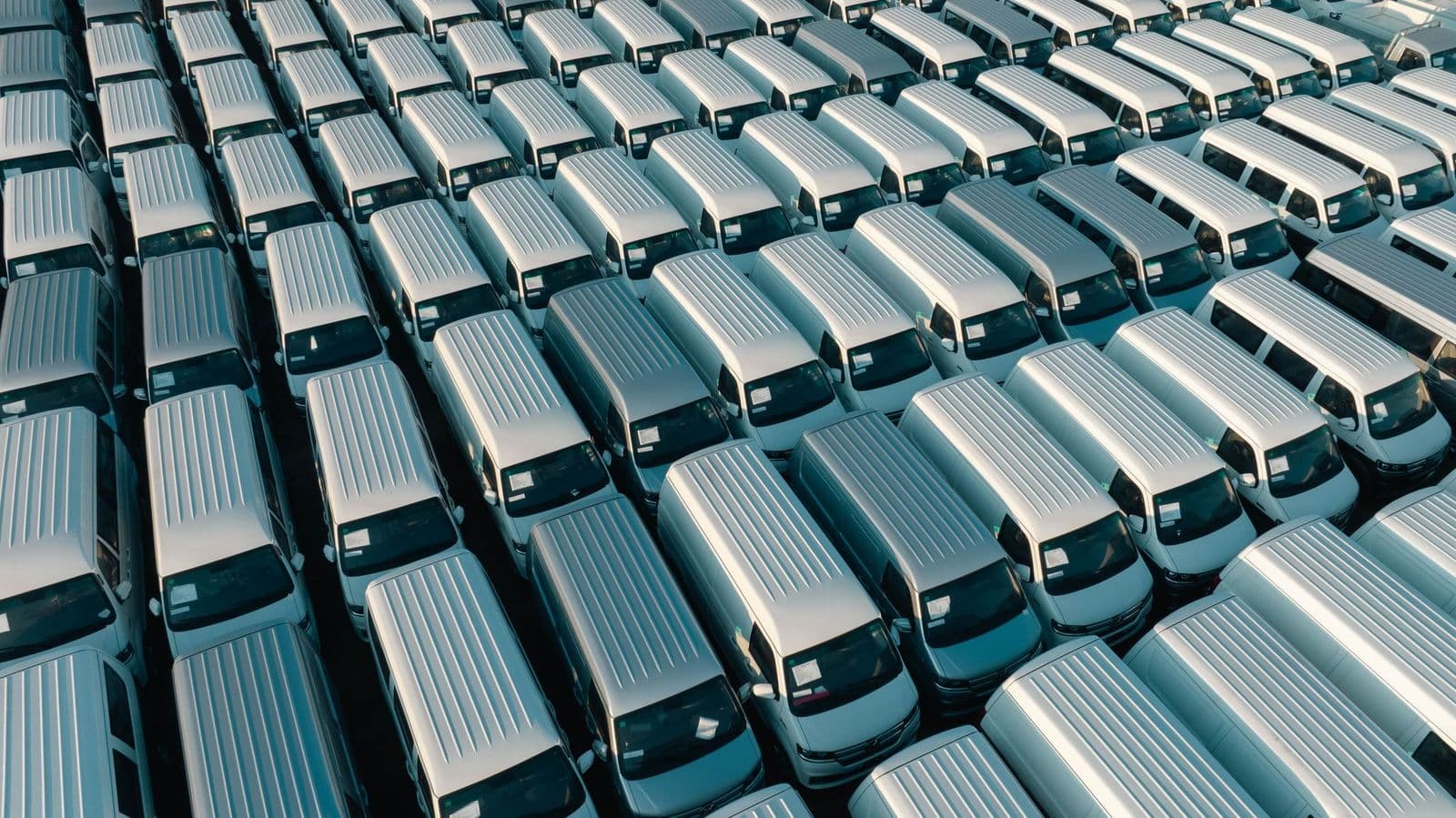
04 / 06Scale
Built to scale with your business, and with your busiest hour.
The platform grows alongside your fleet's expansion while flexing to absorb daily surges in demand. Performance holds steady whether it's a slow afternoon or peak rush hour.
- Grows with the fleet
- The platform grows alongside your fleet's expansion, so adding vehicles is a commercial decision rather than an infrastructure one.
- Flexes with the hour
- Daily surges in demand are absorbed rather than survived. Performance holds steady whether it's a slow afternoon or peak rush hour.
- Steady when it matters most
- The busiest hour is the one where degradation is most expensive, and it is the hour a platform is actually judged on.
Every market has its own rules. Your platform should be ready for all of them.
Local regulations can be built directly into dispatching, so trips are assigned with the rules of each market automatically accounted for. Billing adapts the same way, generating invoices that can reflect each market’s specific requirements.
The demand you never saw is the demand that cost you most.
A request that went unserved leaves almost no trace. It is not in the trip table, not in the revenue, not in the average rating — it is a rider who waited, gave up, and opened a different application.
What operators ask first.
The Help Center covers each of these in more detail.
Monarch 1 records video from internal and external cameras along with OBD-II vehicle data — braking events, speed and accelerometer readings. Together they build a complete picture of an event at the moment it happens.
Read the full articleYes, directly from the mobile app. A driver's own account of what happened, filed while it is fresh and attached to the same trip as the footage, is what makes a claim defensible later.
Read the full articleIt is built to grow alongside fleet expansion while flexing to absorb daily surges, so performance holds steady whether it is a slow afternoon or the busiest hour of the week.
Read the full articleLocal regulations can be built directly into dispatching, so trips are assigned with the rules of each market accounted for, and billing adapts the same way — generating invoices that reflect each market's specific requirements.
Read the full articleOther markets Naveera runs
Passenger & medical
Freight & field operations
Every trip seen. Every incident defensible.
See what your own market looks like with matching, supply, cameras and vehicles on one system.