Route densityis the job we’re built for.
Last-mile delivery covers the final leg of a supply chain, where packages move from local distribution hubs to homes and businesses.
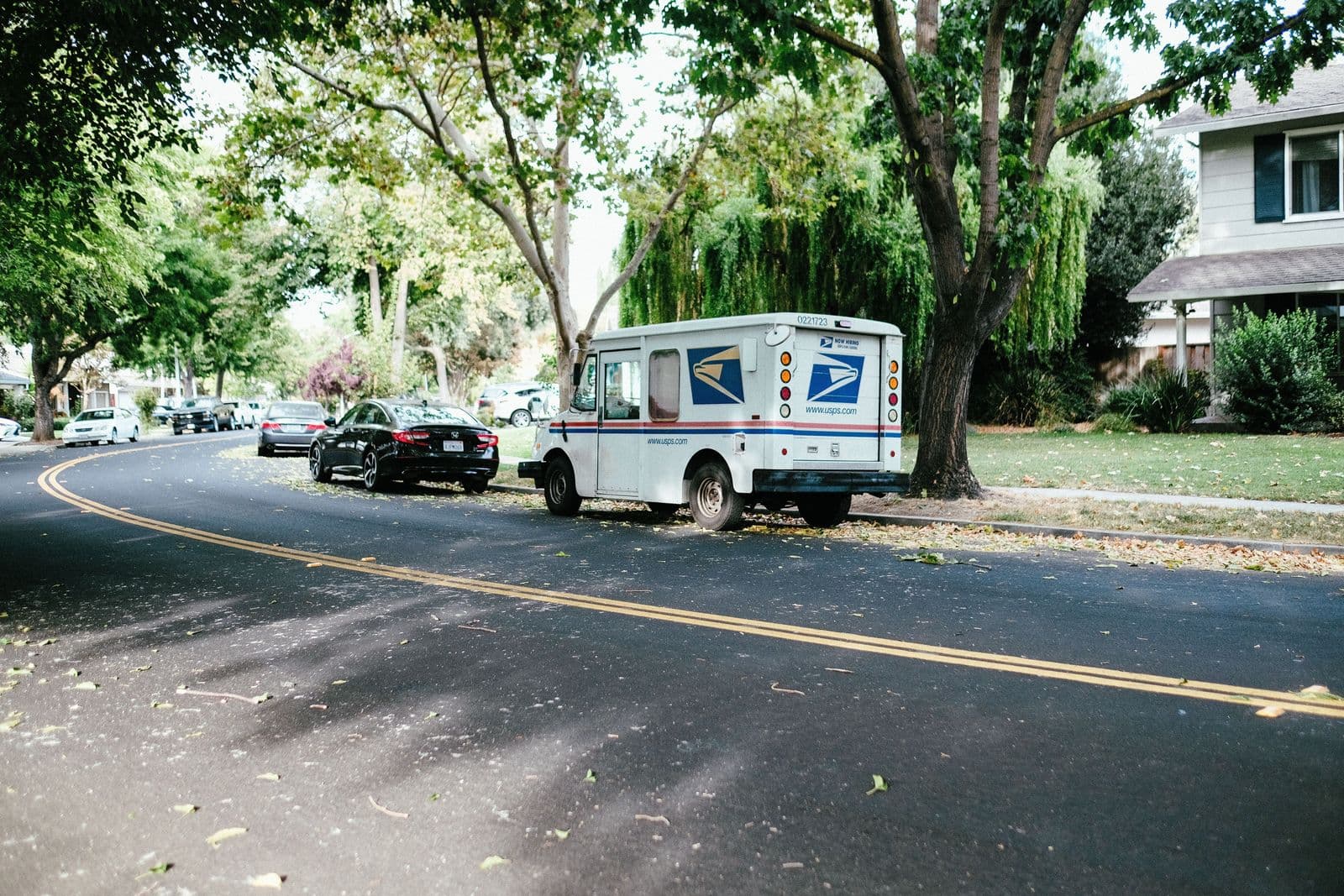
Hundreds of stops, and a window on every one of them.
Providers must coordinate high numbers of stops across unpredictable urban routes while meeting tight delivery windows set by e-commerce shippers.
Handling route density is the job we're built for.
Confidently plan hundreds of short-duration stops with realistic schedules that do not sacrifice accuracy.
A shift is not a distance. It's a count.
Most of a dense route is not spent driving. It is spent parked, walking up a path and confirming a handover — which is why a schedule built from average speed always promises more than the day can hold.
Copper— roughly one hour of completed deliveries
156
Stops to sequence
Every one of them a decision about order. Sequenced well, the route closes on time; sequenced by postcode, it doubles back on itself all afternoon.
2 min
At each door
Park, walk, hand over, confirm. Small enough to feel like a rounding error and large enough that, across a full field of stops, it is most of the working day.
Minutes
Between stops
Dense routes are short on distance and long on interruption, so a schedule built from average speed will always promise more stops than a driver can finish.
Illustrative — stop counts and dwell times vary by operation and route
03 / 06Protection
Unpredictable roads. Dependable protection.
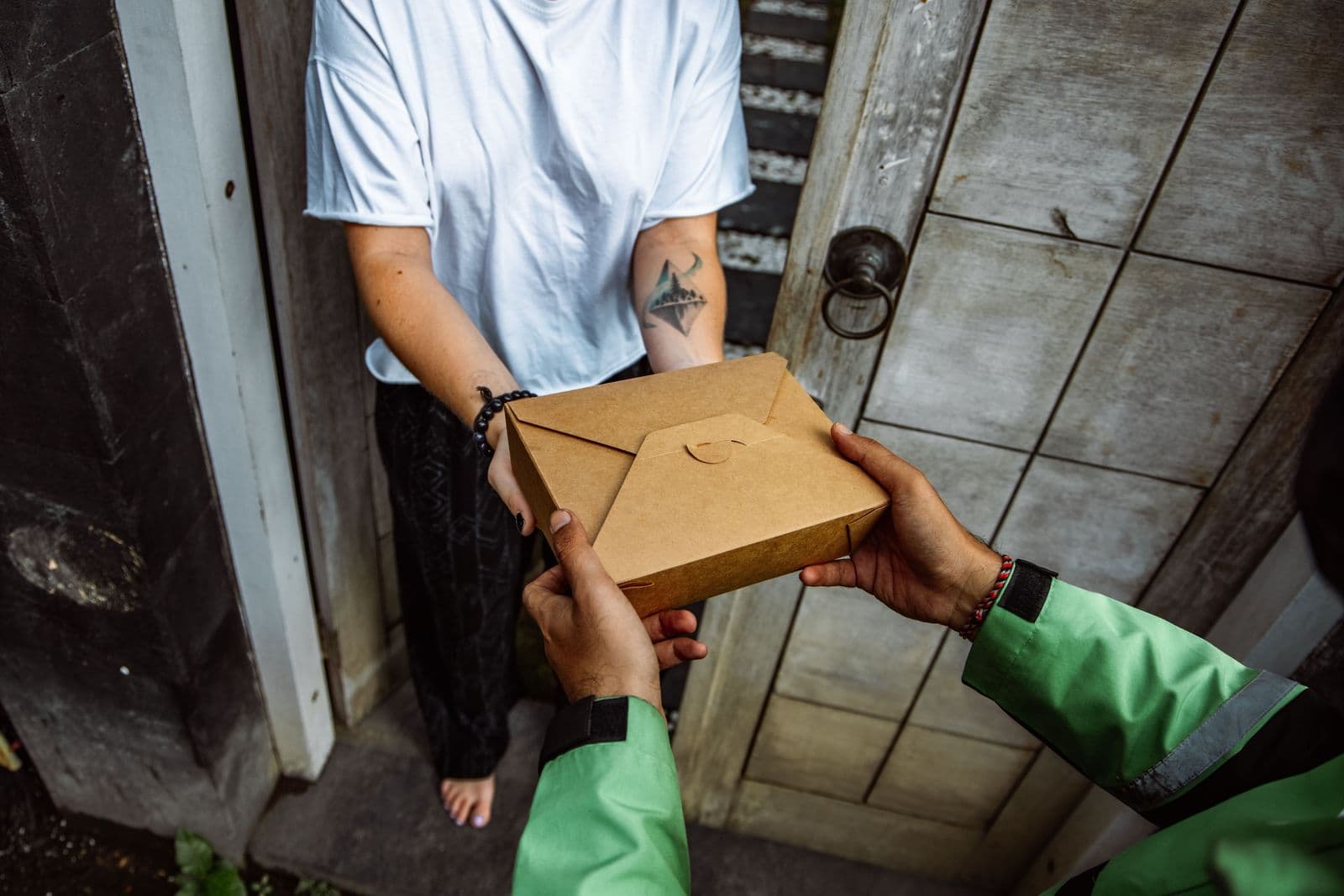
High-traffic areas bring risk. Interior and exterior camera feeds can provide clear evidence when a driver wasn't at fault during an incident, and AI analysis of the same footage can help you identify driving behaviour worth correcting.
- Evidence when a driver was not at fault
- Interior and exterior camera feeds can provide clear evidence when a driver wasn't at fault during an incident, on streets where the traffic is dense and the claims follow it.
- Behaviour worth correcting
- AI analysis of the same footage can also help you identify driving behaviour worth correcting, before it becomes the incident you are defending.
- The route the incident happened on
- Footage sits against the stop and the trip it belongs to, so a claim about a specific address is answered from a specific moment rather than a day's recording.
When your workforce shifts, don't let the change slow you down.
In high-turnover fields, drivers can come and go. With vehicle, driver and trip data all in one place, it's easy to reassign drivers to vehicles and routes — turnover happens, and your platform should help you quickly adjust.
- One place for vehicle, driver and trip
- With vehicle, driver and trip data all in one place, it's easy to reassign drivers to vehicles and routes.
- Reassignment as a normal act
- Turnover happens, and the platform should help you adjust quickly rather than make each change a project.
- A route that outlives its driver
- The sequence, the stops and the service expectations belong to the route, so handing it to somebody new does not mean rebuilding it.
- New starters, working sooner
- The driver app carries the day's sequence and the proof each stop needs, which is most of what a new driver would otherwise learn by riding along.
- Capability, not just availability
- Who is licensed for what, and which vehicle they are cleared to take, stays part of the assignment rather than a conversation at the depot door.
05 / 06Visibility
Retail-grade visibility, built into every delivery.
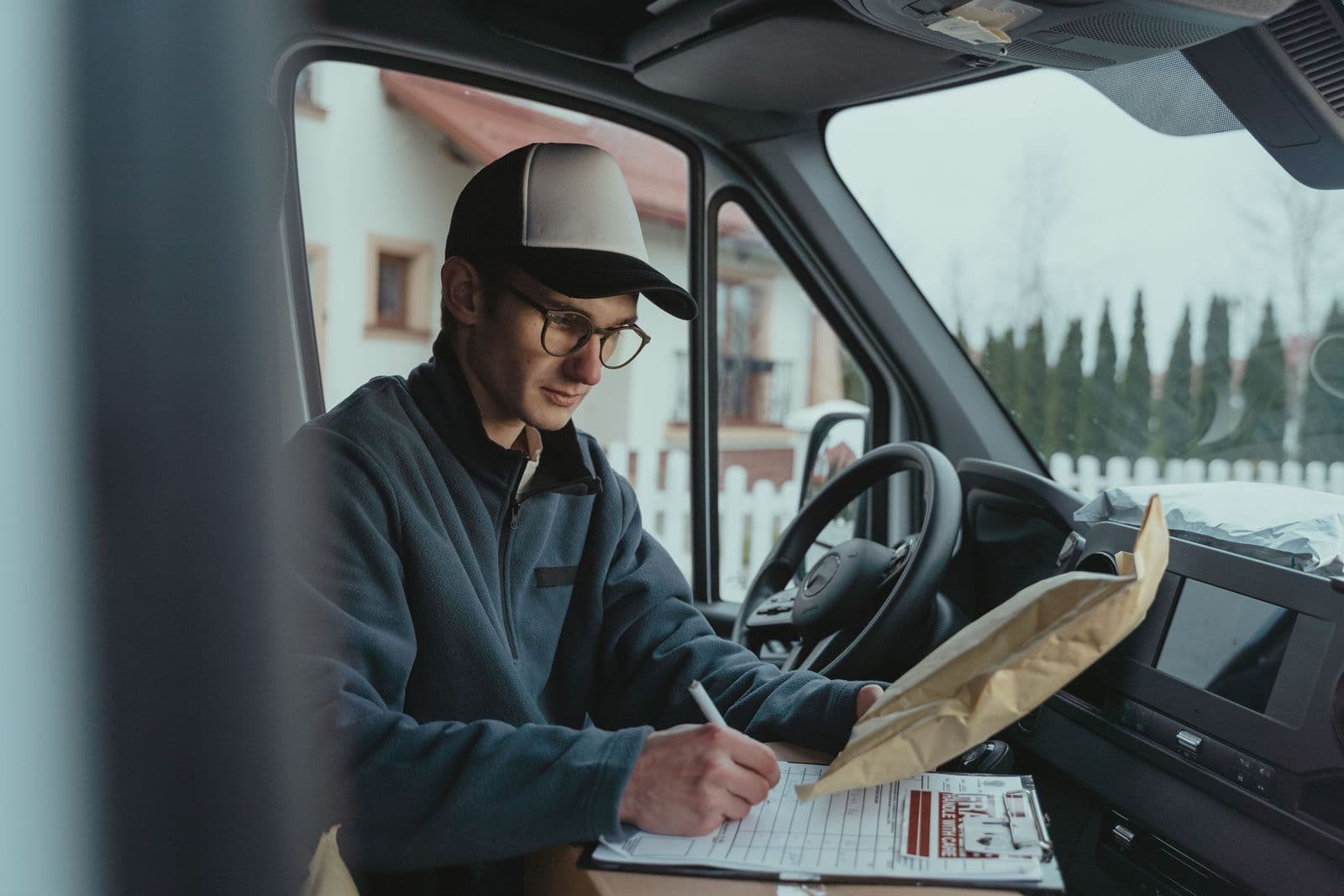
Every step of the trip is tracked, with location updates and delivery confirmation available in real time. Shippers and recipients both get the reassurance that the product made it safely to its destination.
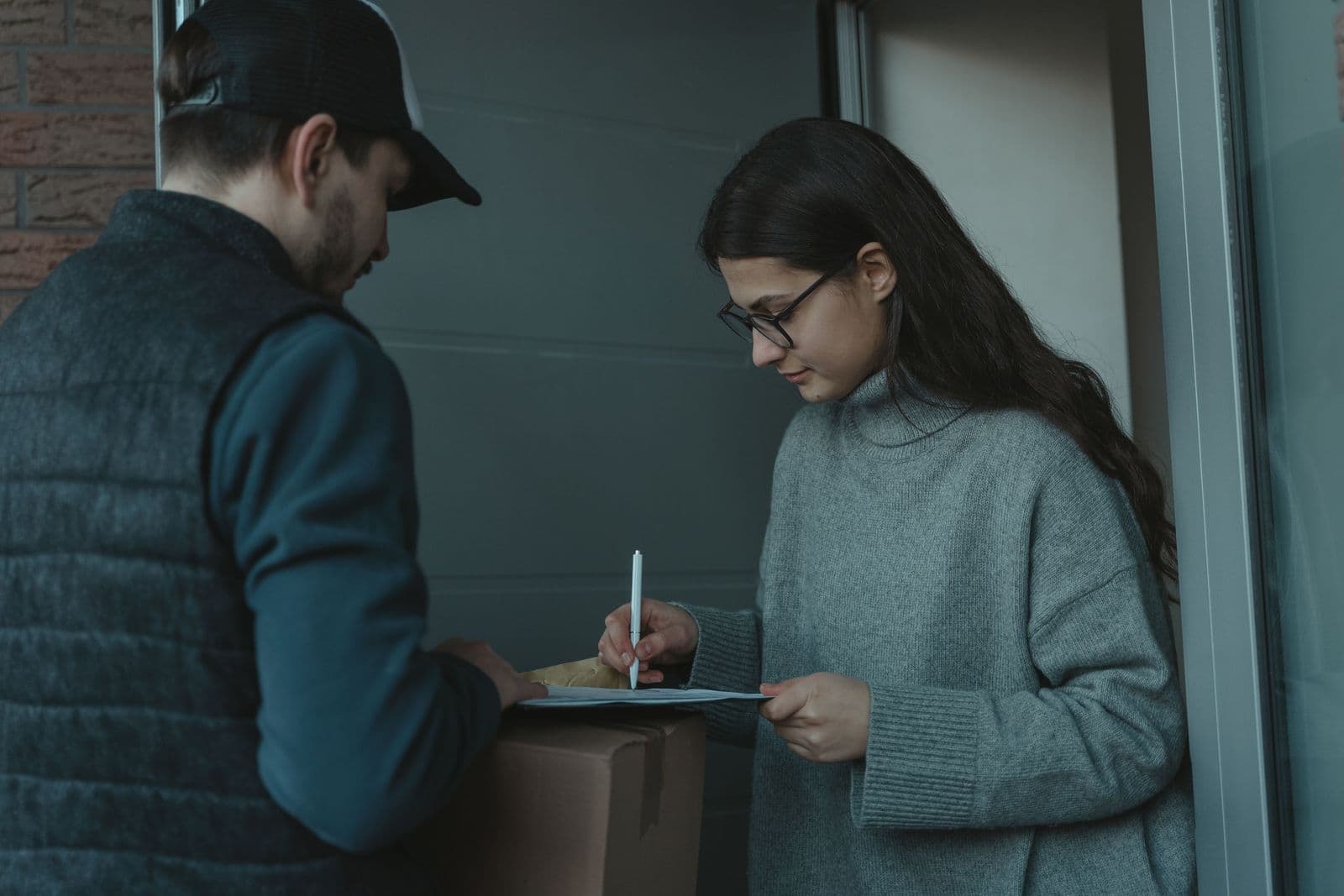
The last mile is the only part of the journey the customer sees.
Everything upstream — the container, the linehaul, the sort — is invisible to the person waiting in. What they judge the whole chain on is a van, a doorstep and whether it arrived when it said it would.
What delivery operators ask first.
The Help Center goes further on each of these, with the screens they happen on.
As many as the shift can genuinely complete, which is a different number from the one distance alone suggests. Service time at each door is planned as time, so a route is built to be finished rather than to look efficient on paper.
Read the full articleThe route is reassigned rather than rebuilt. Vehicle, driver and trip data sit together, so the sequence moves to whoever is available and cleared for that vehicle.
Read the full articleEvery step of the trip is tracked, with location updates and delivery confirmation available in real time, so shippers and recipients both get the reassurance the product made it safely.
Read the full articleAt the door, in the driver app, against the stop it belongs to — so confirmation is part of completing the trip rather than paperwork filed after the round.
Read the full articleOther markets Naveera runs
Passenger & medical
Freight & field operations
Plan the stops, not the mileage.
See one of your own dense rounds sequenced with real service times on every stop.