Care that starts with who’s driving.
Senior and assisted living transportation provides scheduled trips for older adults in retirement and assisted living communities — everything from doctor appointments to social outings and errands.

Every rider arrives with a different amount of help required.
Providers must be attentive to varying levels of passenger mobility and care needs while maintaining flexible scheduling.
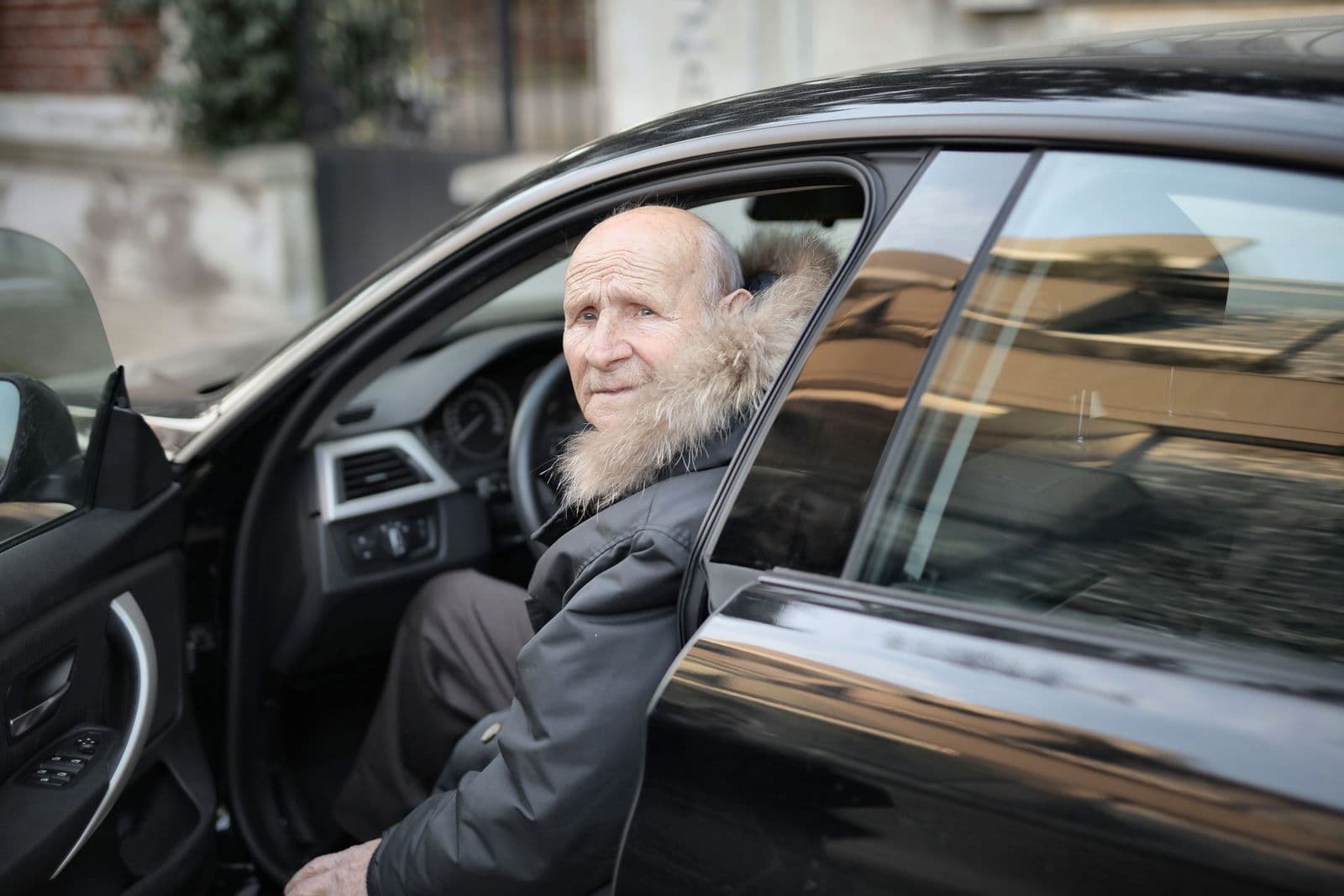
01 / 06Drivers
Care that starts with who's driving, verified and ready.
Driver certifications and mobility-assistance training are stored in one place, giving families and facilities a clear record of every driver's qualifications.
- Certifications, kept in one place
- Driver certifications and mobility-assistance training are stored together, giving families and facilities a clear record of every driver's qualifications.
- Proven, not assumed
- Suitability to care for elderly riders isn't assumed, it's proven — which is a materially different claim to make to a family deciding whether to trust you.
- A record the facility can see
- Care managers answering to residents and their families can point at the same record you keep, rather than relaying assurances.
Smart scheduling, from the care facility to the clinic door.
Scheduling is built around the timelines that matter most: medical appointments, medication windows and facility routines. With Naveera, you have the confidence that trips will align with the daily agendas passengers and facilities already depend on.
How far the driver goes.
Every conversation about assisted transport is really about this: where the driver's responsibility ends. It decides the training required, the time at the stop and, quite often, whether the trip is possible at all.
Curb to curb
Ends at the vehicle
The driver stays with the vehicle. It is the fastest to schedule and the wrong answer for anyone who cannot reliably get themselves down a path.
Door to door
Ends at the front door
The driver walks to the door and back. Minutes rather than seconds at every stop, which is the part most schedules forget to allow for.
Door through door
Ends inside the home
The driver goes inside — for a rider who needs help with a coat, a walker or a threshold. It changes what the driver is trained for, not just how long they are there.
Hand to hand
Ends to a named person
The rider is never unaccompanied: released only to a family member, a carer or clinic staff. Common in memory care, and it means a trip is not complete until somebody has taken responsibility.
Two kinds of risk, one system watching both.
Effective monitoring takes into account both the vehicle and the passengers, catching mechanical issues and rider events alike. When something happens, you can respond immediately — alerting the medical staff or sending a replacement vehicle.
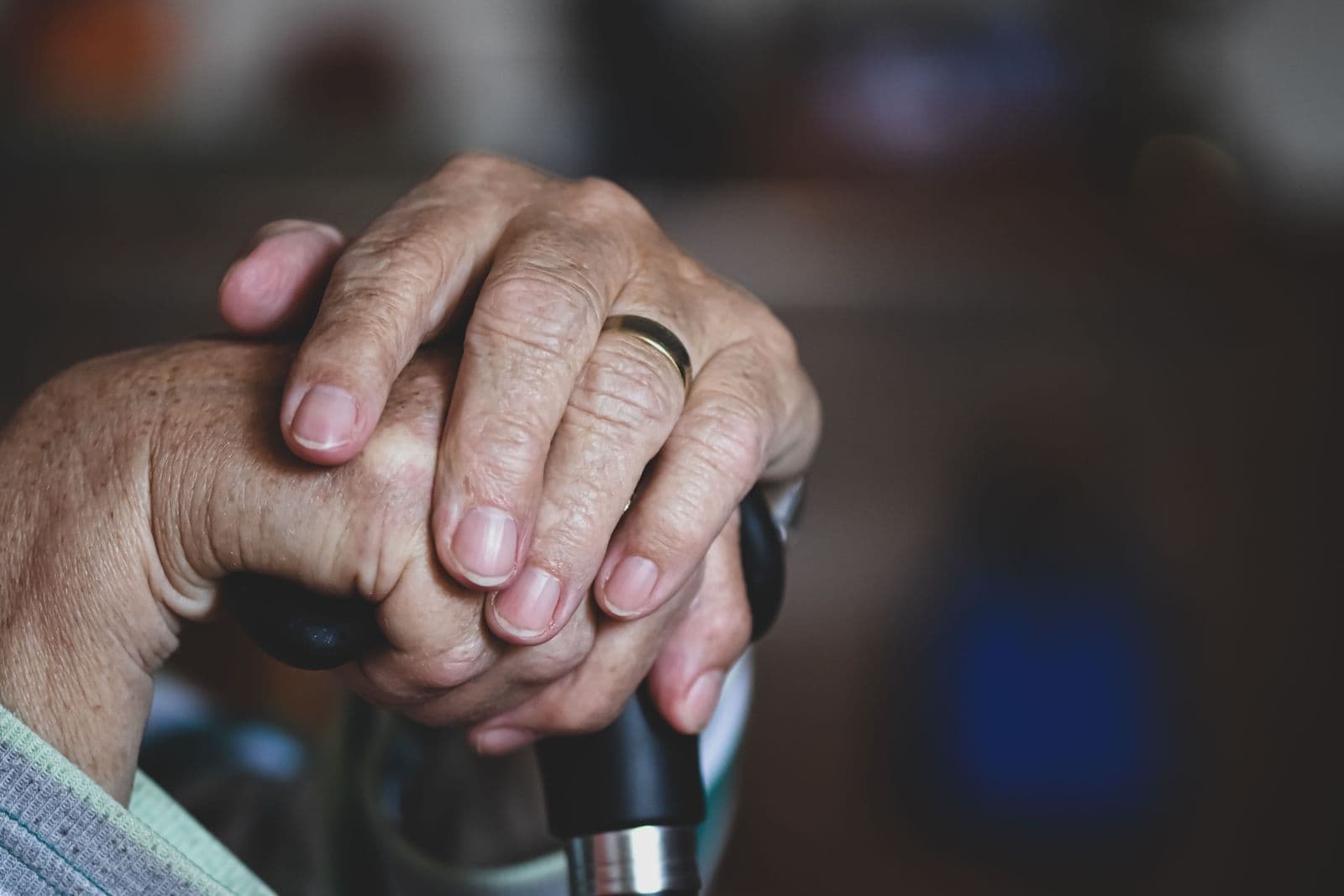
Somebody is always waiting to hear that it went fine.
A daughter in another state, a care manager with sixty residents, a clinic holding an appointment slot. None of them are in the vehicle, and all of them are relying on the same thing: a record that the ride happened, made at the time it happened, by the person who was there.
What a senior transport service runs on.
- Driver certifications & training
- Qualifications and mobility-assistance training held per driver, and visible to the facilities you serve.
- Recurring trip management
- Standing appointments scheduled as a series, paused for a hospital stay and resumed without being rebuilt.
- Rider profiles
- Mobility equipment, escorts and the notes a driver genuinely needs, attached to the person rather than the booking.
- Vehicle & passenger monitoring
- Mechanical issues and rider events watched together, so a response can start from the same place either way.
- Facility & community accounts
- Retirement and assisted living communities served and reported against their own accounts.
- Proof the trip happened
- Pickup and drop-off records for the people who were not in the vehicle and are waiting to hear.
What providers ask first.
The Help Center covers each of these in full.
Yes. Recurring trips are managed as a series, so a change of appointment time or a fortnight in hospital is one edit rather than a hunt through individual bookings — which is where standing arrangements usually come apart.
Read the full articleThose are the timelines the scheduling is built around, alongside medical appointments, so trips align with the daily agendas passengers and facilities already depend on.
Read the full articleMonitoring covers the vehicle and the passengers together, so a mechanical issue and a rider event both surface. You can respond immediately — alerting medical staff or sending a replacement vehicle.
Read the full articleThe trip record carries what actually occurred — when the vehicle arrived, when the rider was collected and when they were dropped. For a daughter three states away, that record is usually the whole reason she is comfortable with the arrangement.
Read the full articleOther markets Naveera runs
Passenger & medical
Freight & field operations
Show up. Every week. Without being asked twice.
See what your standing riders, their care needs and their weekly patterns look like in one place.