Plan the day with precision, not guesswork.
Naveera turns demand, vehicles and constraints into optimized routes and schedules automatically — then keeps them accurate as the day changes.
Every route, already checked against the rules that matter.
Naveera ingests demand — trip requests, standing orders, will-calls — and builds routes and schedules against real operational constraints. What comes out the other side is a schedule your dispatch team can trust, not just admire.
Watch a day get built.
The same five stages every operating day goes through, from raw demand to a published plan that can still absorb a 10:40 phone call.
- 01
Demand arrives
Standing orders, broker files and one-off requests land in the same place, whether they came from an intake call, a CSV import or an integration.
- 02
Constraints attach
Each trip carries what it actually needs: a service type, a pickup window, an appointment time it cannot miss, and any attendant or equipment requirement.
- 03
The plan is solved
Trips are placed onto vehicles and ordered along the day, respecting every window and every vehicle capability rather than filling seats in arrival order.
- 04
A planner reviews it
The proposed day comes back readable — one row per vehicle, one block per trip — so the calls that need human judgement get made before anything is published.
- 05
The day absorbs change
A late request, a cancellation or a no-show reflows the affected vehicle only. The rest of the published plan holds, and drivers see the change immediately.
- 01
Demand arrives
Standing orders, broker files and one-off requests land in the same place, whether they came from an intake call, a CSV import or an integration.
- 02
Constraints attach
Each trip carries what it actually needs: a service type, a pickup window, an appointment time it cannot miss, and any attendant or equipment requirement.
- 03
The plan is solved
Trips are placed onto vehicles and ordered along the day, respecting every window and every vehicle capability rather than filling seats in arrival order.
- 04
A planner reviews it
The proposed day comes back readable — one row per vehicle, one block per trip — so the calls that need human judgement get made before anything is published.
- 05
The day absorbs change
A late request, a cancellation or a no-show reflows the affected vehicle only. The rest of the published plan holds, and drivers see the change immediately.

02 / 06Fleet-wide optimization
One plan for the whole yard.
Most schedules are built vehicle by vehicle, which is why the third van does four trips and the seventh does eleven. Naveera solves the day across every active vehicle at once.
- Every vehicle, in one plan
- Routing solves across the whole active fleet at once, not vehicle by vehicle, so the day balances instead of loading whoever gets assigned first.
- Capability-aware allocation
- A stretcher trip is never planned onto an ambulatory-only vehicle. Vehicle type is a hard constraint on the plan, not a warning after the fact.
- Driver hours respected
- Shift limits and break requirements bound each route, so a schedule that looks efficient on paper is one your drivers can actually run.
Built for the way scheduling actually works.
- Route planning
- Generate efficient multi-stop routes automatically, balanced across your active fleet.
- Schedule generation
- Turn a day's demand into a complete, published schedule in minutes, not hours.
- Vehicle allocation
- Match trips to the right vehicle — wheelchair-accessible, ambulatory, or standard — automatically.
- Constraints & time windows
- Respect pickup windows, appointment times, and driver-hour limits on every route, every time.
- Rescheduling & adjustment
- Absorb late additions, cancellations and no-shows without rebuilding the day from scratch.
04 / 06Service types & constraints
Not every rider needs the same vehicle.
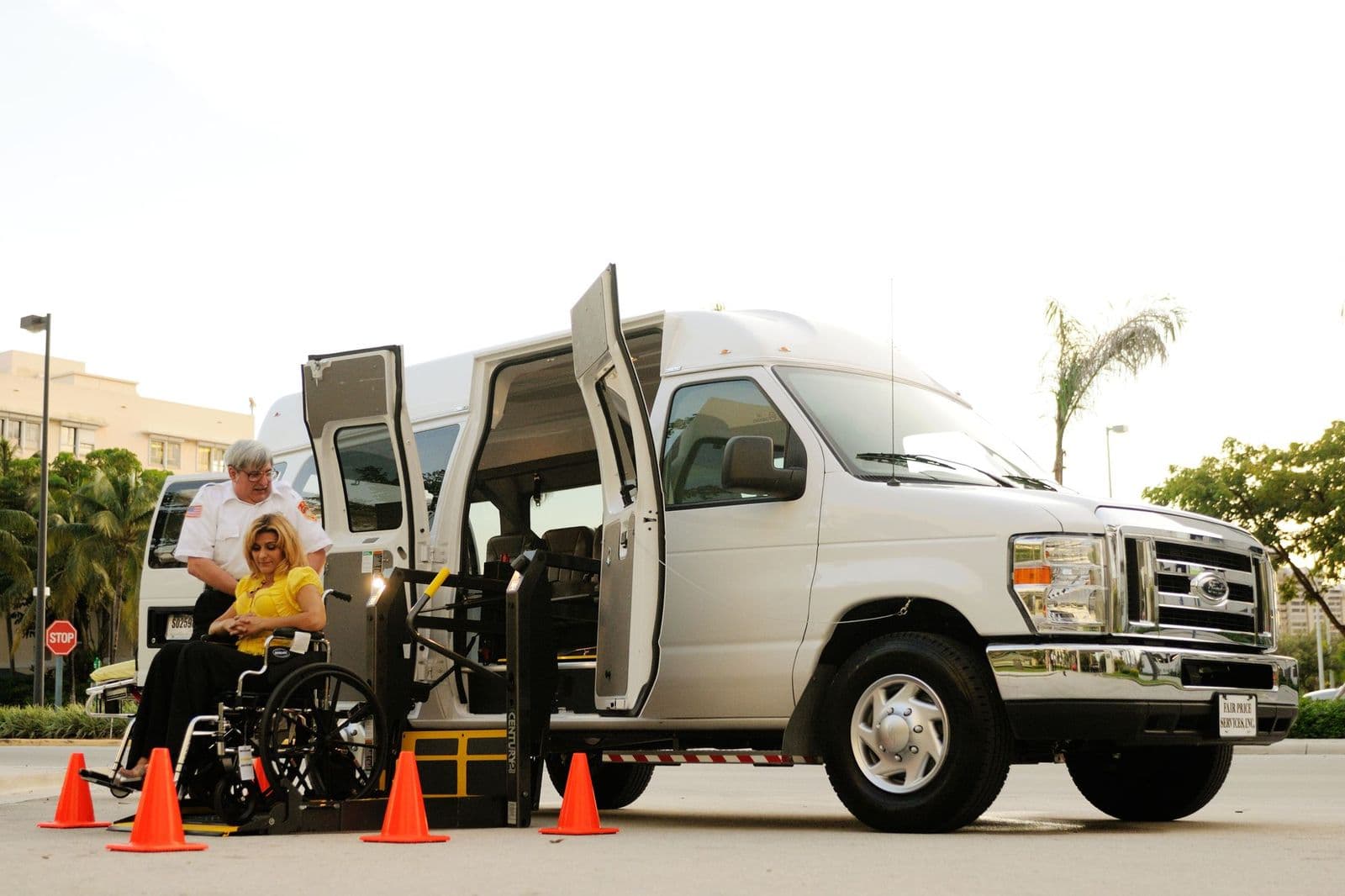
Non-emergency medical transport lives or dies on the details a generic routing engine throws away: who needs a lift, who has a 09:15 appointment they cannot miss, and who is riding home whenever the clinic is finished with them.
- Service types that mean something
- Ambulatory, wheelchair-accessible, bariatric and stretcher trips each carry their own vehicle and staffing requirements through planning and into billing.
- Appointment times held
- A dialysis appointment is not a suggestion. Trips anchored to an appointment are planned backwards from it, with the pickup window derived rather than guessed.
- Will-calls handled properly
- Return legs with no fixed time sit outside the plan until the rider calls, then get placed against whoever is genuinely closest and free.
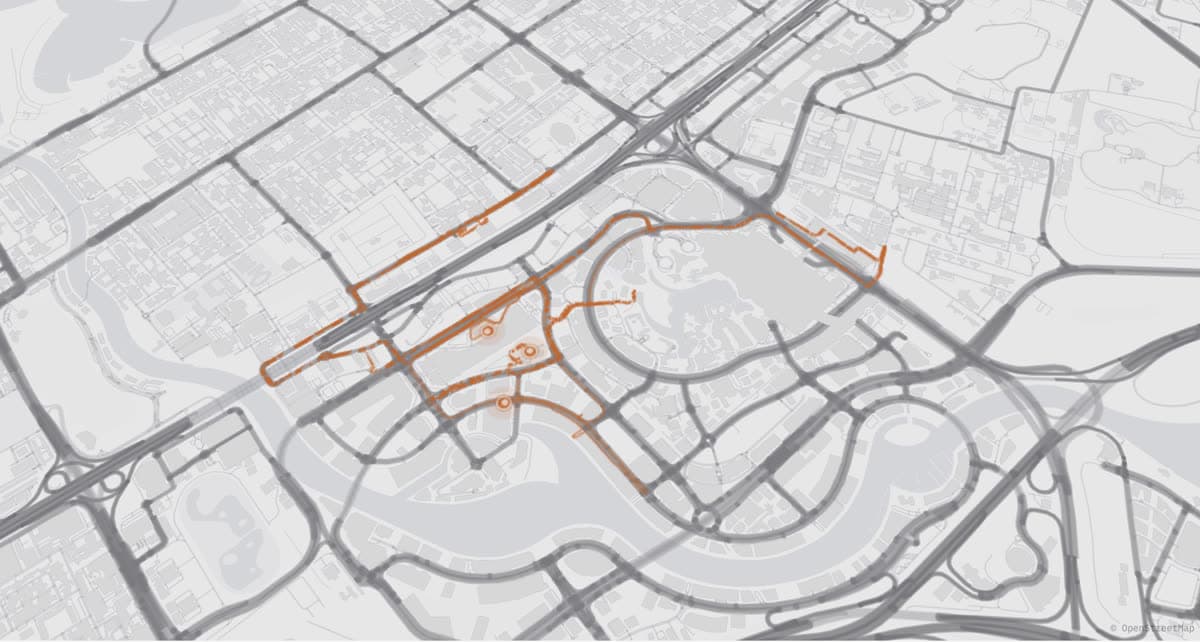
See the whole day, optimized.
A live look at the same routing engine running underneath — trips, vehicles and route paths updating in real time.

A plan is only worth what it survives.
Cancellations, no-shows, traffic and a rider who is still in the waiting room at 14:20 all hit the same schedule. Naveera reflows the vehicle that is affected and leaves the rest of the published day exactly where it was.
Questions planners ask first.
If the answer you need isn't here, the Help Center goes into each of these in full.
Scheduling runs as a background job, so a full day is typically ready in minutes rather than the hours a manual board takes. You keep working while it runs, and the schedule appears once the job completes rather than blocking the screen behind a spinner.
Read the full articleYes — automatic scheduling produces a proposal, not a locked result. Planners can reassign a trip to another vehicle, reorder a route, or pull a trip back to unassigned, and the change is reflected for the driver straight away.
Read the full articleThey stay visible in the unassigned backlog with the reason they could not be placed — no vehicle with the required service type available in the window, for example — rather than silently disappearing or being forced onto an unsuitable vehicle.
Read the full articleNo. Trips can be created individually, imported in bulk from a CSV, or arrive from a broker integration. Imported files are validated before anything is created, so a malformed row is reported rather than quietly dropped.
Read the full articleYou can reoptimize a whole day at any point. It is deliberately whole-day rather than a partial subset, because reoptimizing a handful of trips in isolation produces a plan that conflicts with the trips left out of it.
Read the full articleThe rest of the platform
Plan with precision. Dispatch with confidence.
See what your own routes and schedules look like once Naveera builds them.